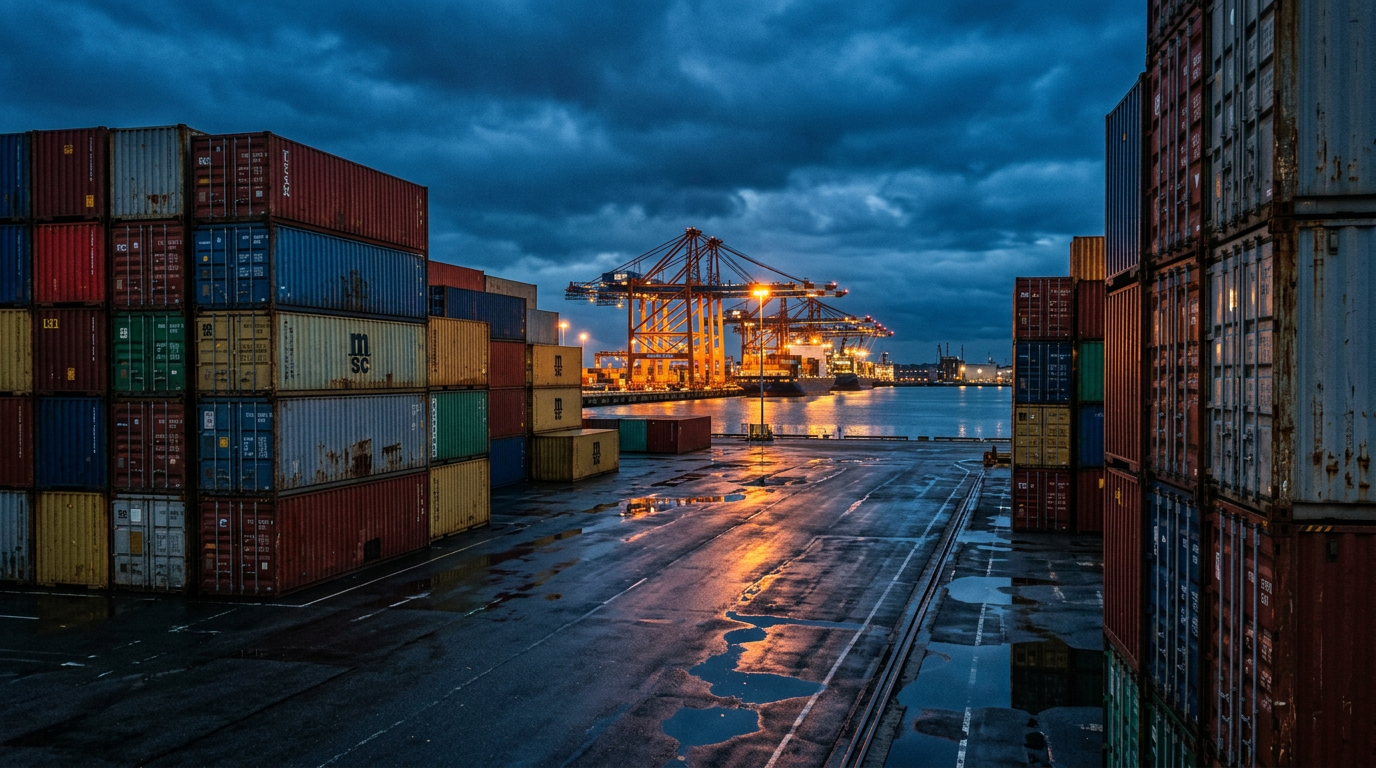
Over the past 25 years, Asia has experienced what many economists describe as a “golden hour”—a period of extraordinary transformation that reshaped not only the region but the global economy itself. Asia’s next chapter golden era of growth is entering a new phase shaped by AI, demographic shifts, and geopolitical tensions. Explore IMF insights on Asia’s future and key economic challenges.
Hundreds of millions of people were lifted out of poverty. Cities expanded into megacities. Manufacturing hubs became global powerhouses. Countries like China, India, Vietnam, and Indonesia emerged as key engines of growth, driving global trade and innovation.
The numbers tell a remarkable story. Asia accounted for more than 60% of global economic growth during this period, while extreme poverty rates fell dramatically across the region. Rapid industrialization, export-led growth, and integration into global supply chains fueled this success.
But today, the narrative is shifting.
Speaking at the “Asia in 2050” conference in Bangkok, IMF Managing Director Kristalina Georgieva offered both recognition and caution. While acknowledging Asia’s achievements, she emphasized that the region is entering a “new normal”—one defined not by stability and rapid expansion, but by uncertainty, transformation, and complex global challenges.
The question is no longer whether Asia will grow. It is how it will adapt.
A World in Flux: The Forces Reshaping Asia
Asia’s future is being shaped by a convergence of powerful forces that are redefining economic and social systems.
Technological Transformation
Artificial intelligence is at the forefront of this shift. Across industries—from manufacturing and finance to healthcare and logistics—AI is changing how work is done and how value is created.
According to IMF estimates, AI could boost Asia’s annual GDP growth by up to 0.8 percentage points. This is a significant uplift for economies already growing at scale.
However, the benefits are not automatic.
Countries must invest in digital infrastructure, education, and innovation ecosystems to fully harness AI’s potential. Without these investments, the technology gap between economies could widen, creating new inequalities within the region.
Demographic Pressures
Asia’s demographic landscape is also undergoing a major transition.
Some countries, such as Japan and South Korea, are facing rapidly aging populations. Others, like India and parts of Southeast Asia, continue to experience a demographic dividend with a young and growing workforce.
This divergence creates both opportunities and challenges:
- Aging societies must address labor shortages and rising healthcare costs
- Younger economies must create enough jobs to absorb expanding workforces
- Migration and labor mobility may become increasingly important
Managing these dynamics will be critical for sustaining long-term growth.
Geopolitical Tensions
The global environment has become more fragmented, with rising geopolitical tensions affecting trade, investment, and energy flows.
The ongoing conflict in the Middle East is a stark reminder of how quickly external shocks can disrupt economic stability. As Kristalina Georgieva noted, such conflicts test global resilience and bring profound human suffering.
For Asia, the implications are immediate and tangible.
Energy Security: A Growing Concern
Energy security has emerged as one of the most pressing challenges for Asia.
Many Asian economies are heavily dependent on imported energy, particularly oil and gas from the Middle East. Disruptions in supply chains or spikes in energy prices can have cascading effects across the region.
Georgieva highlighted a critical point: energy security is not just about supply—it is about confidence.
When energy markets become volatile:
- Businesses face higher operating costs
- Inflationary pressures increase
- Investment decisions become more uncertain
For rapidly growing economies, stable and affordable energy is essential. Without it, growth can slow, and economic confidence can weaken.
This has prompted many countries to accelerate their transition toward renewable energy sources, diversify supply chains, and invest in energy resilience.
Productivity and Competitiveness in the Age of AI
One of the central challenges identified by the IMF is the need to boost productivity and competitiveness.
Despite strong growth, productivity gains in some parts of Asia have slowed in recent years. This makes it harder to sustain high growth rates over the long term.
AI offers a potential solution—but only if it is effectively integrated into economies.
To achieve this, countries must focus on:
- Upskilling workers to adapt to new technologies
- Encouraging innovation and entrepreneurship
- Supporting small and medium-sized enterprises in digital transformation
The stakes are high. Countries that successfully harness AI could see significant gains in efficiency and output. Those that lag behind risk falling into a “middle-income trap,” where growth stagnates before reaching advanced economy levels.
Labor Markets Under Pressure
The transformation of labor markets is another key issue shaping Asia’s future.
Automation and AI are changing the nature of work, potentially displacing certain jobs while creating new ones.
This creates a dual challenge:
- Ensuring that workers have the skills needed for emerging industries
- Providing social safety nets for those affected by technological disruption
In aging societies, labor shortages are already becoming a concern. In younger economies, the challenge is job creation at scale.
Balancing these dynamics will require thoughtful policy design, including investments in education, training, and workforce mobility.
Trade and Regional Integration: A Path Forward
Trade has long been a cornerstone of Asia’s success.
Export-led growth strategies helped many countries industrialize rapidly and integrate into global markets. But today, trade faces new challenges, including protectionism, supply chain disruptions, and geopolitical tensions.
The IMF suggests that deeper regional integration could be a powerful way forward.
By lowering non-tariff barriers and strengthening trade links within Asia, countries can:
- Enhance economic resilience
- Reduce dependence on external markets
- Unlock new growth opportunities
According to IMF analysis, closer trade integration could raise Asian GDP by an average of 1.8% in the long run.
This is a significant potential boost, particularly in a world where global trade dynamics are becoming more uncertain.
Regional agreements, digital trade frameworks, and infrastructure connectivity will play a crucial role in realizing this potential.
Balancing Growth with Resilience
As Asia moves into this new phase, the focus is shifting from rapid expansion to sustainable and resilient growth.
This involves:
- Diversifying economies to reduce vulnerability to external shocks
- Strengthening financial systems
- Investing in climate resilience and sustainable development
The region’s ability to adapt will determine whether it can maintain its position as a global economic powerhouse.
Conclusion: Shaping Asia’s Future in an Uncertain World
Asia stands at a pivotal moment in its economic journey.
The achievements of the past quarter century are undeniable. The region has transformed itself into a central pillar of the global economy, lifting millions out of poverty and driving unprecedented growth.
But the future will not be a continuation of the past.
Instead, it will be defined by uncertainty, complexity, and rapid change. Technological transformation, demographic shifts, and geopolitical tensions are reshaping the landscape in profound ways.
As Kristalina Georgieva emphasized, the stakes are high—particularly when it comes to energy security and economic confidence. Yet within these challenges lie opportunities.
Artificial intelligence has the potential to unlock new levels of productivity. Regional integration can strengthen resilience and drive growth. Strategic policymaking can help navigate demographic transitions and labor market shifts.
The path forward will require collaboration, innovation, and adaptability.
Most importantly, it will require a renewed commitment to building economies that are not only strong but also inclusive and resilient.
Asia’s golden era may be evolving, but its story is far from over. The next chapter—shaped by the decisions made today—could be just as transformative as the last.