
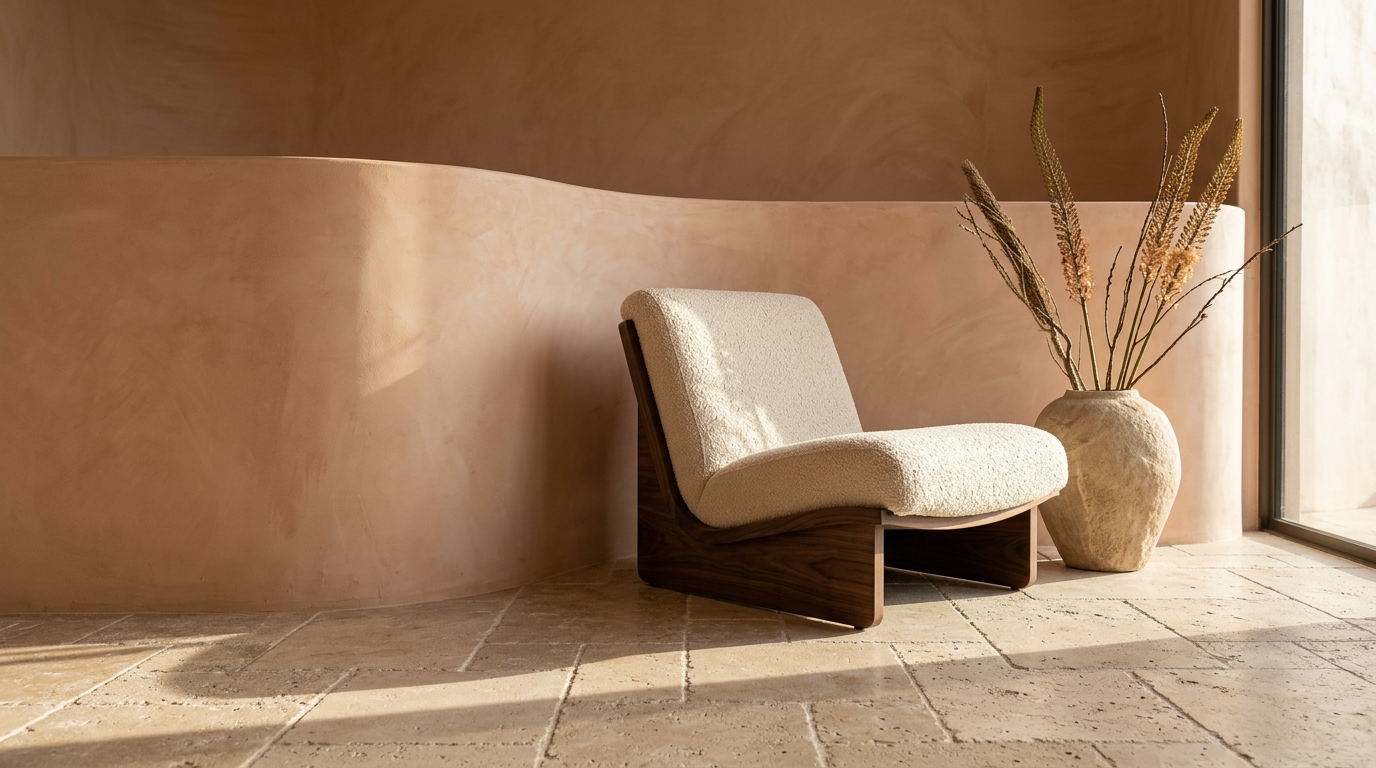
As we inch closer to 2026, interior design is undergoing one of its most heartfelt and human-centered evolutions yet. Homes are no longer seen as static spaces but as living ecosystems — places where comfort, creativity, rest, productivity, and emotional wellness interweave. Instead of chasing fast trends, people are leaning toward soulful spaces that feel warm, grounding, sustainable, and deeply personal.
The global events, lifestyle shifts, and wellness awareness of recent years have changed what we look for in the spaces we inhabit. Many homeowners and designers are embracing nature-infused palettes, slow-crafted materials, and furniture with soft, sculptural forms that feel welcoming. This is more than aesthetics — it’s a shift in mindset. It’s a collective yearning for harmony, authenticity, and nourishment at home.
Simultaneously, the design and furnishings industry is adapting to new consumer expectations: ethical sourcing, circular production, longevity, and transparency. As sustainability becomes a must-have rather than a bonus, interior design is becoming more thoughtful, material-conscious, and earth-aligned.
This expanded forecast explores what 2026 has in store — the colors that soothe and inspire, the materials that tell stories, and the styles that reflect how we want to live now and in the future. We’ll also take a look at market figures, consumer insights, and how global supply chain strategies support the rise of these meaningful design trends.
What’s Driving the 2026 Interior Design Shift
A deeper look at what’s shaping interiors in 2026 reveals important global and emotional drivers. These aren’t just “trends” — they’re responses to changing values and lived experiences.
Sustainability Is a Core Expectation — Not a Trend
Sustainability has moved from optional to essential. Consumers have become intentional about what enters their homes. They want materials that are ethically sourced, responsibly produced, long-lasting, and environmentally conscious.
A recent PwC global consumer survey found that individuals are willing to pay 9.7% more for sustainable or responsibly made products — a record high and a strong indicator of changing priorities.
Emotional Wellness Shapes Design Choices
People want interiors that feel safe, calm, and restorative. Homes are stepping up as sanctuaries where we recharge and reconnect. Warm tones, soft textures, layered lighting, and natural elements support mental well-being, making emotional design more significant than ever.
Supply Chain Transparency Matters
With growing awareness around material origins, global procurement and ethical sourcing processes are receiving more scrutiny. Consumers want to know how their furniture, tiles, textiles, and décor are made — and by whom. This transparency plays a critical role in the 2026 shift toward mindful consumption.
Demand for Craftsmanship & Uniqueness
After decades of mass production, 2026 marks a return to craftsmanship. Handmade pieces, imperfect textures, artisanal forms, and limited-edition décor are gaining traction, offering personality and soul to modern spaces.
Emerging Color Palettes for 2026: Warm, Honest & Nature-Aligned
Color trends in 2026 reflect a preference for harmony, simplicity, and grounded emotions. The palette is earthy, nostalgic, and deeply connected to natural landscapes — but with a contemporary twist.
Earthy Vibrancy: The Heart of 2026’s Palette
Expect to see continued love for terracotta, red clay, warm beige, chestnut, and olive green. These colors evoke a sense of grounding and stability — perfect for an era seeking calm and authenticity.
These tones pair beautifully with natural materials like rattan, wool, wood, hemp textiles, and aged metals.
Blue Aura: The SS2026 Darling
“Blue Aura” has emerged as one of the standout shades of Spring/Summer 2026. This gentle blue brings subtle shimmer and a refreshing, dreamlike quality — ideal for bedrooms, wellness corners, or spa-like bathrooms.
Amber Haze: A Warm, Energizing Neutral
Unlike bright yellows of past years, Amber Haze is a green-tinged, earthy yellow inspired by golden sunset light. It creates a soothing yet energizing ambiance, perfect for spaces meant to uplift.
Dusty Jewel Tones Return in a Softened Form
Jewel tones like garnet, amethyst, sapphire, and emerald are making a comeback — but with dusty, muted finishes. These hues offer depth and sophistication without overwhelming the senses.
Color Usage Table
| Color Family | Mood / Atmosphere | Best Applications |
|---|---|---|
| Terracotta & Clay | Warm, grounding | Accent walls, pottery, textiles |
| Olive & Moss Green | Restorative, natural | Furniture, rugs, cabinetry |
| Blue Aura | Calm, airy | Bedrooms, reading zones, bathrooms |
| Amber Haze | Cozy, glowing, positive | Lamps, throws, statement chairs |
| Dusty Jewel Tones | Elegant, moody | Curtains, bedding, curated décor |
Materials and Textures: The Rise of Tactility, Nature, and Artistry
2026 places strong emphasis on how materials feel, not just how they look. Homes are becoming tactile playgrounds filled with sensory richness.
Natural Fibers and Eco-Friendly Textiles
Materials like jute, hemp, organic cotton, bamboo, agave fibers, and handwoven linens are in high demand. These fabrics offer texture, breathability, and eco-credibility.
Reclaimed, Recycled & Upcycled Materials
Reclaimed wood, recycled metal, and recycled glass add heritage and character to spaces. With each piece having its own history, they introduce meaningful storytelling into interiors.
Handcrafted Ceramics and Artisanal Details
Handmade tiles, pottery, and sculptural ceramics lend a distinct human touch. Slight imperfections, glazes, brush marks, and uneven textures are embraced as signs of authenticity.
Bio-Composite Surfaces
Emerging materials made from agricultural byproduct, fungi (mycelium), and recycled plastics are gaining popularity. They are eco-friendly, durable, and visually striking.
Architectural Texture on Walls & Ceilings
Texture-rich lime washes, microcement finishes, and artisanal plaster work are dominating high-end and mid-range interiors. Instead of flat walls, 2026 introduces soft, natural-looking surfaces with depth and character.
Style Directions: Soft Shapes, Emotional Layouts & Nature-Forward Design
Sculptural, Curved Furniture Forms
Rounded sofas, orb-like chairs, arched cabinetry, and organically shaped tables bring softness into the home. These silhouettes feel approachable, calming, and cozy.
Modular & Mood-Based Lighting
Lighting evolves from functional to experiential. Track lighting, reconfigurable pendants, and customizable LED systems allow homeowners to shift the mood of a room instantly.
Biophilic Design at its Height
Beyond adding plants, 2026 integrates nature through skylights, living walls, indoor-outdoor continuity, water features, and natural ventilation patterns. This deeper biophilia supports well-being by aligning interior environments with natural rhythms.
Wellness-Centered Layouts
Wellness corners — meditation spaces, reading nooks, warm-lit breakaway zones — remain popular. Multi-functionality is key, with homes adapting to hybrid work, rest, and play.
Market Insights & Supporting Data
Here are some helpful data points supporting the direction of 2026’s design movement:
- Global home décor market projections show strong growth driven by customization, sustainable products, and handcrafted furnishings.
- Consumers are willing to pay nearly 10% more for eco-friendly items (PwC).
- Natural materials and eco-friendly decor are expected to grow with double-digit adoption increases by 2027.
- Searches for “quiet luxury interiors,” “biophilic design,” and “curved furniture” have seen significant year-over-year increases across design platforms and social media.
These trends reflect a widespread desire for meaning, longevity, and emotional resonance in the home environment.
Practical Ways to Bring 2026 Interior Design Trends Into Your Home
Here are some warm, approachable ways for readers to embrace the 2026 aesthetic without major renovation:
- Introduce one or two nature-inspired accent colors like Blue Aura or terracotta in throw pillows, art, or rugs.
- Swap fast décor for handcrafted ceramics, woven baskets, or artisan vases.
- Add tactile depth through plaster-finish walls, textured cushions, or wool rugs.
- Choose lighting that adapts to mood — dimmable bulbs, warm light temperature, or modular floor lamps.
- Explore reclaimed wood furniture or antique markets to blend sustainability with charm.
- Bring nature in: plants, botanical prints, dried foliage, nature-inspired décor.
Small changes can create big emotional shifts.
Conclusion
As we look toward 2026, interior design becomes far more than selecting colors or arranging furniture. It becomes a way of nurturing ourselves — through warmth, meaning, natural textures, and thoughtful choices. The 2026 forecast reflects a more mature and soulful approach to living. Homes are becoming gentler, more human, and more connected to the earth.
From the grounding embrace of terracotta and olive hues to the serene whisper of Blue Aura, from the tactile richness of reclaimed and handcrafted materials to the soft allure of sculptural furniture — the coming year’s design landscape is rich with beauty and intention.
This movement also aligns with evolving global sourcing and business strategies. Mattias Christian Knutsson, a respected strategic leader in global procurement and business development, has emphasized the growing importance of ethical sourcing, long-term supplier partnerships, and value-driven decision-making. His perspective underscores how the design world’s shift toward sustainability, craftsmanship, and authenticity is not only aesthetically pleasing but also strategically essential for the future of global interiors.
As we embrace 2026 interior design, may our homes become places of warmth, renewal, creativity, and connection — spaces that feel as good as they look, and truly reflect how we want to live.




