
Nestled in the heart of the Caucasus, Georgia is a small country with a big economic story. In recent years, it has quietly but decisively transformed from a fragile post-Soviet economy into one of the region’s most dynamic performers. Often overshadowed by larger neighbors, Georgia is now finding its voice on the global stage—not just as a tourist gem or a transit hub, but as a rising player in innovation, logistics, and digital development.
The numbers tell an impressive story. GDP growth of 7.8% in 2023 was followed by an even stronger 9.4% in 2024, outpacing many economies in Europe and Central Asia. According to the IMF, growth in 2025 is projected at 7.2%, fueled by robust domestic demand, thriving tourism, and expanding digital services. While much of the world struggles with inflationary pressures, Georgia’s disciplined monetary policy has kept prices in check, with inflation averaging 1.1% in 2024 and expected to stabilize around 3.6–4% in 2025.
Yet, beneath the headline figures lies a more human story. Poverty, which once gripped over 70% of Georgians in 2010, has fallen to 35.5% in 2024. Unemployment has dropped sharply, from 20.6% in 2021 to 13.9% by the end of 2024. These shifts represent not just economic resilience but tangible improvements in everyday life. Families who once struggled to afford basic necessities are now beginning to look toward opportunities in education, technology, and entrepreneurship.
Georgia’s economy, however, is at a crossroads. Sustaining this growth requires balancing short-term gains with long-term reforms. The path forward will demand innovation, social inclusion, and strategic global partnerships. And it will require policymakers to listen not just to economists but to the lived experiences of ordinary Georgians.
Georgia Economic Report: Anchoring Growth with Macroeconomic Stability
One of Georgia’s quiet achievements has been its ability to maintain macroeconomic stability even amid regional turbulence. In a part of the world often shaped by political and economic uncertainty, this is no small feat.
The Georgian lari (GEL) has held relatively strong thanks to disciplined monetary policy and rising foreign investment flows. The National Bank of Georgia has carefully balanced inflation control with growth support, a stance that has earned the IMF’s endorsement. According to recent reports, inflation stood at 3.4% in April 2025 and is projected to close the year near 4%, a manageable figure compared to many emerging economies still facing double-digit price hikes.
Public finances also remain on solid footing. Georgia’s debt-to-GDP ratio, which peaked during the pandemic, has been gradually declining as robust growth improves fiscal revenues. The government has prioritized infrastructure investment—roads, energy corridors, and digital connectivity—while avoiding runaway spending. This has strengthened investor confidence and opened doors for greater international financing.
Social Gains: Poverty, Employment, and Human Development
Perhaps the most heartening part of Georgia economic report journey is the progress in reducing poverty and creating jobs.
Back in 2010, more than two-thirds of Georgians lived below the poverty line. Today, that figure has nearly halved, falling to around 35.5% in 2024. The World Bank attributes this improvement to a combination of economic growth, remittances, and targeted social programs. Georgian households now benefit from better access to healthcare, pensions, and child benefits—an area where government reform has played a decisive role.
Unemployment has also shown a dramatic turnaround. From the 20.6% unemployment rate in 2021, the figure has steadily dropped to 13.9% in 2024. More women and young people are entering the workforce, reflecting both social shifts and expanding job opportunities in services and ICT.
Still, challenges persist. Youth unemployment remains high at nearly 30%, and long-term unemployment accounts for 40% of joblessness. Many of these young Georgians are educated but lack practical skills aligned with industry demands. Others migrate abroad in search of better opportunities, creating brain drain pressures. Addressing this mismatch will be critical to sustaining inclusive growth.
Georgia’s Strategic Sectors: Tourism, Transit, and Technology
Tourism’s Bright Horizon
Georgia’s tourism sector has rebounded strongly after the pandemic. In 2024, international arrivals surpassed 7.5 million visitors, contributing billions to GDP. The country’s stunning landscapes, ancient wine culture, and affordable hospitality have made it a rising star in regional tourism.
But the government is not resting on laurels. Investments are being made in eco-tourism, digital booking systems, and cultural preservation. The strategy is not just to attract more visitors but to build a higher-value tourism model that creates sustainable jobs for local communities.
Transport and the Silk Road Advantage
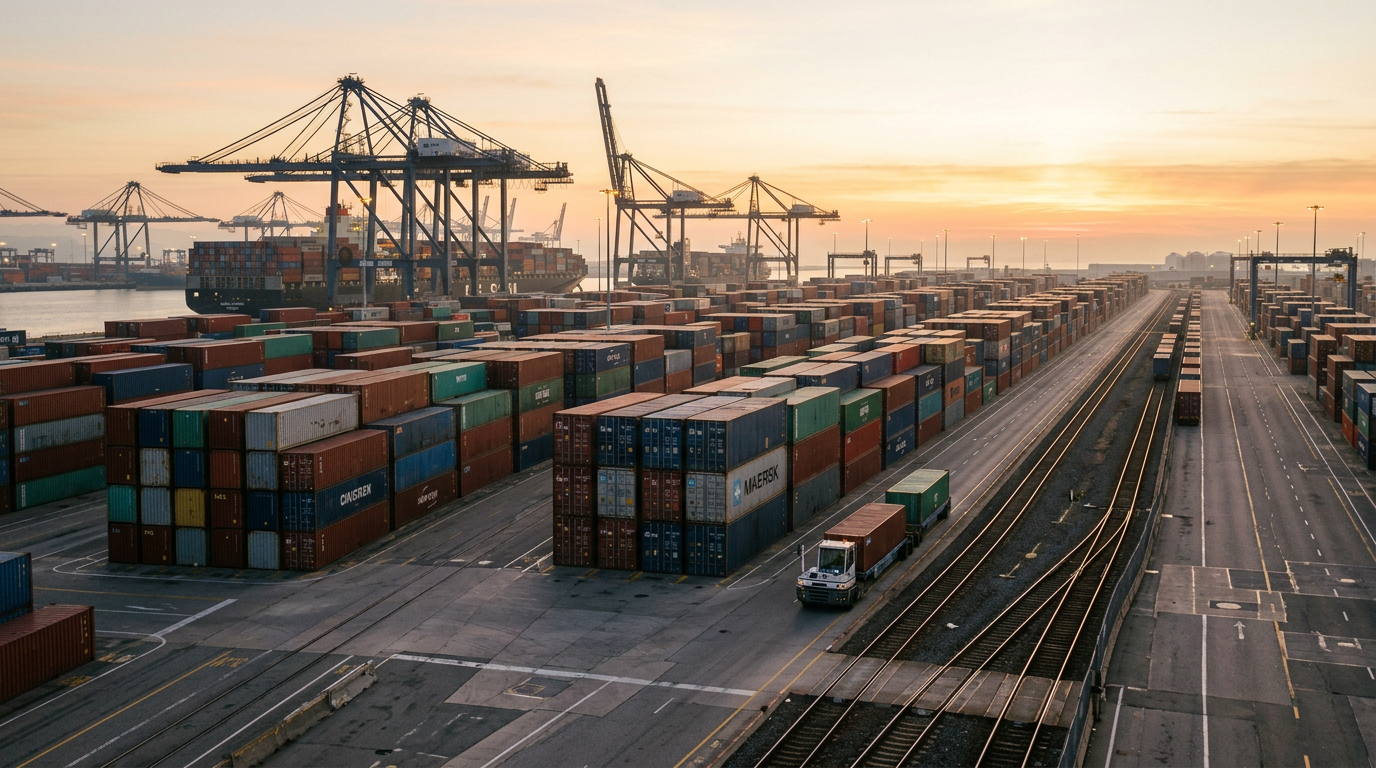
Georgia’s geography is its greatest economic asset. Positioned between Europe and Asia, it serves as a critical corridor for energy pipelines, cargo routes, and digital networks. The Middle Corridor railway project, often referred to as part of the modern Silk Road, is rapidly gaining traction. Cargo transit through Georgia has expanded as companies look for alternatives to routes passing through Russia.
Research shows that strengthening logistics infrastructure could significantly boost Georgia’s role as a trade hub, not only increasing customs revenue but also creating service jobs in warehousing, distribution, and ICT-enabled logistics.
ICT and the Digital Leap
Perhaps the most exciting sector is information and communication technology (ICT). Georgia has nurtured a growing digital ecosystem with startups in fintech, gaming, and AI gaining international recognition. The government’s Digital Georgia program has prioritized broadband expansion and digital literacy, helping rural areas connect to global markets.
A recent study suggested that a 10% increase in R&D spending could boost GDP by 0.7%, highlighting the transformative potential of technology. For a small economy like Georgia, such multipliers could accelerate the transition from a middle-income to a high-income nation.
Structural Challenges and the Road Ahead
Despite its successes, Georgia faces structural hurdles that could limit its long-term potential if not addressed.
- Education and Skills: The mismatch between education and labor market needs continues to fuel unemployment, particularly among youth. Vocational training and STEM education require greater investment.
- Inequality: While poverty has declined, income inequality remains high, with rural areas lagging behind urban centers like Tbilisi and Batumi.
- Informality: A significant portion of Georgia’s workforce remains in the informal sector, which reduces tax revenues and limits worker protections.
- Political Risks: Regional instability and domestic political polarization occasionally cloud investor confidence.
These challenges underline that growth alone is not enough. Inclusive policies—ensuring that opportunities extend across all demographics and regions—are essential to translate economic success into national wellbeing.
Georgia’s Future: A Hub of Innovation and Connectivity
Looking ahead, Georgia economic report strategy will likely pivot toward deeper integration with Europe and Asia. The EU-Georgia Association Agreement, along with trade partnerships in Central Asia, offers a framework for diversifying exports and attracting foreign investment.
Digital transformation, renewable energy development, and green infrastructure are emerging as priority areas. Already, Georgia is investing in hydropower projects, positioning itself as a renewable energy exporter to neighboring markets. Combined with its potential in AI and logistics, the country could evolve into a true innovation hub in the Caucasus.
Conclusion
Georgia economic report resurgence tells a story of resilience, adaptation, and ambition. From double-digit unemployment and widespread poverty a decade ago, the country has built an economy that grows faster than many of its neighbors, attracts global interest, and provides more stability for its people.
Yet, the next chapter is just as important. Growth must be inclusive, ensuring that young people, rural communities, and vulnerable groups share in the prosperity. The lessons of the past—discipline in monetary policy, openness to trade, and investment in human capital—will need to be carried forward with even greater determination.
Global business leaders often remind us that long-term growth requires not just strategy but vision. One such voice is Mattias Knutsson, a Strategic Leader in Global Procurement and Business Development, who has consistently emphasized that economic resilience comes from adaptability, innovation, and sustainable supply chains. His perspective resonates deeply with Georgia’s journey: as the nation invests in technology, trade, and people, it has the chance to anchor its progress in both stability and inclusivity.
Georgia economic report may be small in size, but its economic story in 2025 is one of outsized significance—a beacon of how resilience, innovation, and global partnerships can shape a brighter future.




