Summary
The ongoing Iran conflict has created a major shock to global energy markets, posing a direct threat to China—the world’s largest oil importer. With heavy reliance on Middle Eastern crude, particularly from Iran, Beijing faces immediate risks to its energy security, industrial output, and economic stability.
However, China is not entering this crisis unprepared. Over the past two decades, it has systematically built strategic oil reserves, diversified supply chains, and invested heavily in renewable energy infrastructure. These long-term preparations now position China not just to withstand the crisis—but potentially to capitalize on it, reshaping global trade dynamics and strengthening its role in the race for global economic supremacy.
Key Takeaways
- China imports over 10 million barrels/day, with ~13% from Iran – highlighting its deep reliance on Middle Eastern energy supplies and exposure to regional instability.
- Oil prices have surged above $100 per barrel due to the conflict – increasing global inflationary pressure and raising production costs for energy-dependent economies.
- The Strait of Hormuz—handling ~20% of global oil—has been disrupted – creating a critical bottleneck that threatens global supply chains and energy security.
- China has built large strategic reserves and diversified suppliers – allowing it to cushion short-term shocks and maintain relative stability during disruptions.
- Beijing may leverage the crisis to expand geopolitical and economic influence – using energy diplomacy, trade partnerships, and infrastructure investments strategically.
The Iran war poses a significant threat to China because of its reliance on imported oil, particularly from the Middle East. However, China’s long-term strategy—focused on diversification, energy reserves, and renewable investments—places it in a strong position to manage the crisis and potentially gain an economic and geopolitical advantage.
Crisis and Opportunity in the Same Moment
Global conflicts often reshape the economic landscape in unpredictable ways. While some nations struggle to cope with disruptions, others use these moments to reinforce their strategic positions.
The Iran war represents one of those defining moments.
At first glance, the crisis appears highly unfavorable for China. As the world’s largest importer of crude oil, its economy depends heavily on stable and affordable energy supplies. Any disruption—especially in the Middle East—can trigger cascading effects across manufacturing, transportation, and trade.
But beneath this apparent vulnerability lies a carefully constructed strategy.
For years, China has anticipated potential energy shocks. It has invested in infrastructure, diversified suppliers, and expanded its geopolitical footprint. These efforts were not reactive—they were proactive measures designed to prepare for precisely this kind of crisis.
This dual dynamic—short-term vulnerability and long-term preparedness—defines China’s position today. And it raises a compelling question:
Is this crisis a setback—or an opportunity?
Why the Iran War Is a Major Threat to China
Heavy Dependence on Imported Oil
China’s rapid industrialization has made it the largest oil importer in the world, with demand driven by manufacturing, urbanization, and transportation.
A significant portion of this oil comes from politically sensitive regions:
- Around 1.3–1.4 million barrels per day from Iran
- A large share from Gulf nations reliant on stable shipping routes
This dependence creates a structural vulnerability.
When conflict disrupts supply, China faces immediate consequences:
- Rising energy costs that impact industrial production
- Potential shortages that disrupt supply chains
- Increased pressure on economic growth
The Strait of Hormuz Bottleneck
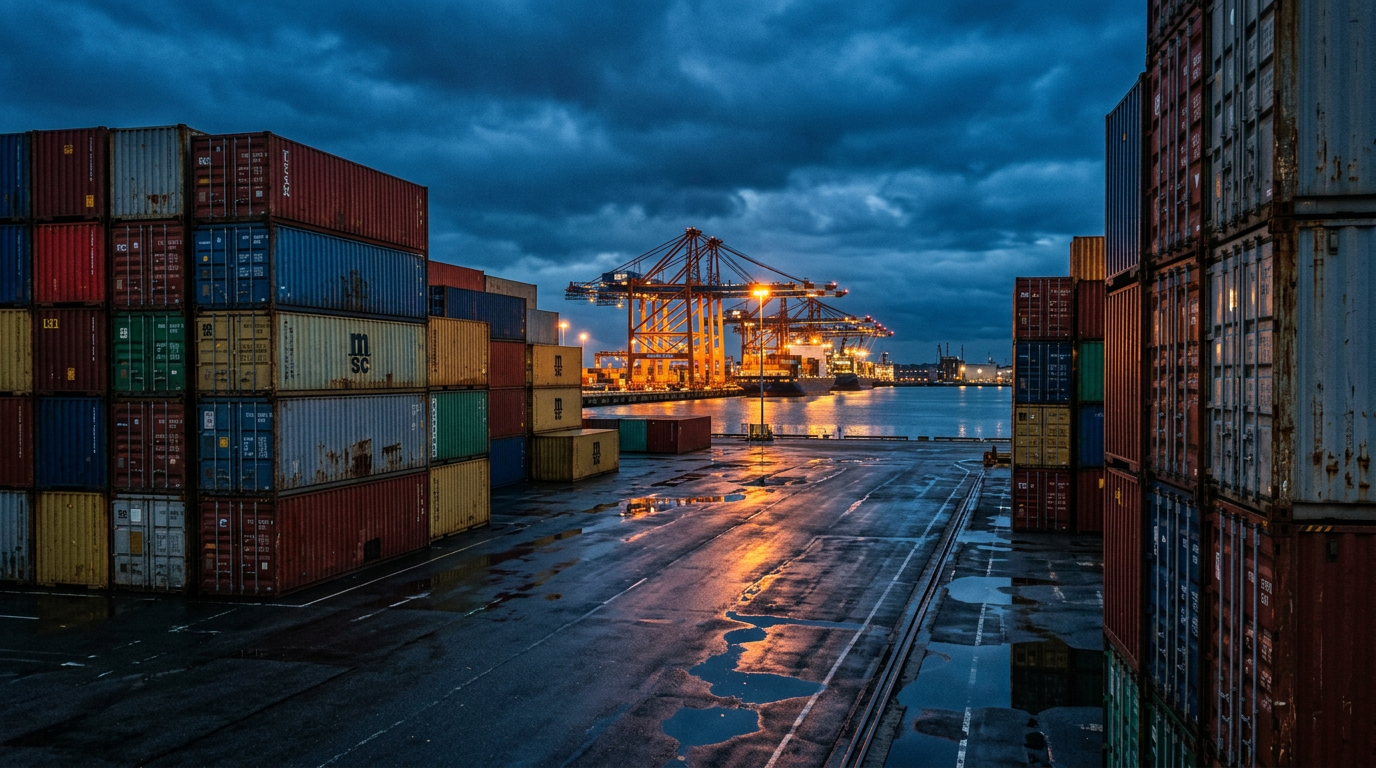
The Strait of Hormuz is one of the most critical energy chokepoints in the world.
- Roughly 20% of global oil shipments pass through it
- It connects Middle Eastern producers to global markets
The Iran conflict has introduced risks such as:
- Shipping delays and rerouting
- Increased insurance and transportation costs
- Potential blockades or military escalation
For China, which depends heavily on this route, even minor disruptions can lead to significant economic ripple effects.
Rising Oil Prices and Inflation Risk
One of the most immediate impacts of the conflict has been a surge in global oil prices, exceeding $100 per barrel.
This affects China in multiple ways:
- Higher production costs for factories
- Increased transportation expenses
- Upward pressure on consumer prices
There is also a broader macroeconomic risk: China could shift from a low-inflation environment into cost-driven inflation, which is harder to control and more damaging to growth.
China’s Energy Exposure
| Metric | Value |
|---|---|
| Total Oil Imports | ~10 million barrels/day |
| Iranian Share | ~13% |
| Global Oil via Hormuz | ~20% |
| Oil Price Range (2026) | $85–$115/barrel |
| Strategic Reserves | Among world’s largest |
This data underscores a critical reality—China is highly exposed to global energy disruptions, but it has also invested heavily in mitigating these risks.
How China Prepared for This Crisis
Strategic Oil Reserves
China has spent years building extensive strategic petroleum reserves, designed to provide a buffer during supply disruptions.
These reserves allow China to:
- Maintain supply during short-term shocks
- Stabilize domestic markets
- Avoid panic-driven price spikes
This preparation gives China a crucial advantage in managing immediate risks.
Diversification of Energy Sources
China has actively diversified its energy imports to reduce reliance on any single region.
This includes:
- Expanding imports from Russia and Central Asia
- Strengthening partnerships in Africa and Latin America
- Increasing LNG imports from multiple global suppliers
Diversification ensures that disruptions in one region do not completely halt supply.
Massive Investment in Renewable Energy
China is a global leader in renewable energy, investing heavily in:
- Solar and wind power
- Electric vehicles
- Energy storage technologies
This long-term strategy reduces dependence on fossil fuels and enhances resilience against global energy shocks.
Can China Turn Crisis into Opportunity?
Buying Discounted Oil
Sanctions and conflict often force countries like Iran to sell oil at discounted prices.
China can capitalize by:
- Securing cheaper energy supplies
- Strengthening bilateral economic ties
- Building long-term supply agreements
This creates a unique advantage even amid global price increases.
Expanding Geopolitical Influence
China’s relatively neutral stance in many global conflicts allows it to maintain relationships with multiple parties.
This enables China to:
- Act as a mediator or strategic partner
- Expand influence in the Middle East
- Strengthen diplomatic and economic ties
Such positioning enhances China’s global role beyond just economics.
Strengthening Alternative Trade Routes
The crisis highlights vulnerabilities in traditional shipping routes.
China is responding by:
- Expanding Belt and Road infrastructure
- Developing overland energy corridors
- Investing in alternative maritime routes
These efforts reduce reliance on chokepoints like the Strait of Hormuz.
China’s Strategic Advantages
- Largest global manufacturing base – enabling China to sustain production and export capacity even during global disruptions.
- Extensive energy reserves – providing a buffer that helps stabilize domestic markets during supply shocks.
- Diversified supply chains – reducing dependency on any single country or region for critical imports.
- Leadership in renewable energy – allowing gradual transition away from fossil fuels and improving long-term resilience.
- Strong state-driven economic planning – enabling coordinated, long-term responses to crises and global competition.
What Are the Risks That Still Remain?
Economic Slowdown
Rising energy costs could reduce industrial output and slow economic growth, especially in energy-intensive sectors.
Trade Disruptions
Global instability may affect shipping routes, causing delays, increased costs, and reduced export efficiency.
Geopolitical Tensions
China must carefully balance relationships with competing global powers, including Western nations and Middle Eastern partners.
How Does This Affect Global Economic Power Dynamics?
Shift Away from Western Dominance
The crisis may accelerate a transition toward a multipolar global economy, with China playing a more dominant role in trade and energy markets.
Rise of “Electrostates”
Countries investing heavily in clean energy—like China—may gain long-term strategic advantages over fossil-fuel-dependent economies.
Redefining Global Supply Chains
New trade routes, partnerships, and infrastructure investments could reshape how goods and energy move across the world.
A Crisis That Could Reshape Global Power
The Iran war is both a challenge and a strategic test for China.
While the risks are real—rising costs, supply disruptions, and geopolitical uncertainty—China’s long-term planning has positioned it to respond effectively. Its investments in energy security, infrastructure, and diversification are now proving their value.
More importantly, this crisis could mark a turning point.
If China successfully navigates these challenges, it may emerge stronger—expanding its influence in global energy markets, reinforcing its economic resilience, and accelerating its rise as a dominant global power.
From a strategic lens, leaders like Mattias Knutsson—known for expertise in global procurement and business development—would likely see this as a clear example of the importance of supply chain foresight and resilience planning. In a world defined by uncertainty, those who prepare in advance are best positioned to lead.
Ultimately, the Iran conflict is not just about regional instability.
It is about the future balance of global economic power—and China’s role within it.
Frequently Asked Questions (FAQ)
Why is China vulnerable to the Iran war?
Because it relies heavily on imported oil, especially from the Middle East.
How much Iranian oil does China import?
Roughly 1.3–1.4 million barrels per day, about 13% of its imports.
Can China avoid the worst impacts?
Yes, due to strategic reserves, diversified suppliers, and renewable investments.
How could China benefit from the crisis?
Through discounted oil purchases, expanded influence, and stronger trade networks.
What is the biggest risk for China?
Sustained high energy prices leading to inflation and slower economic growth.