Summary
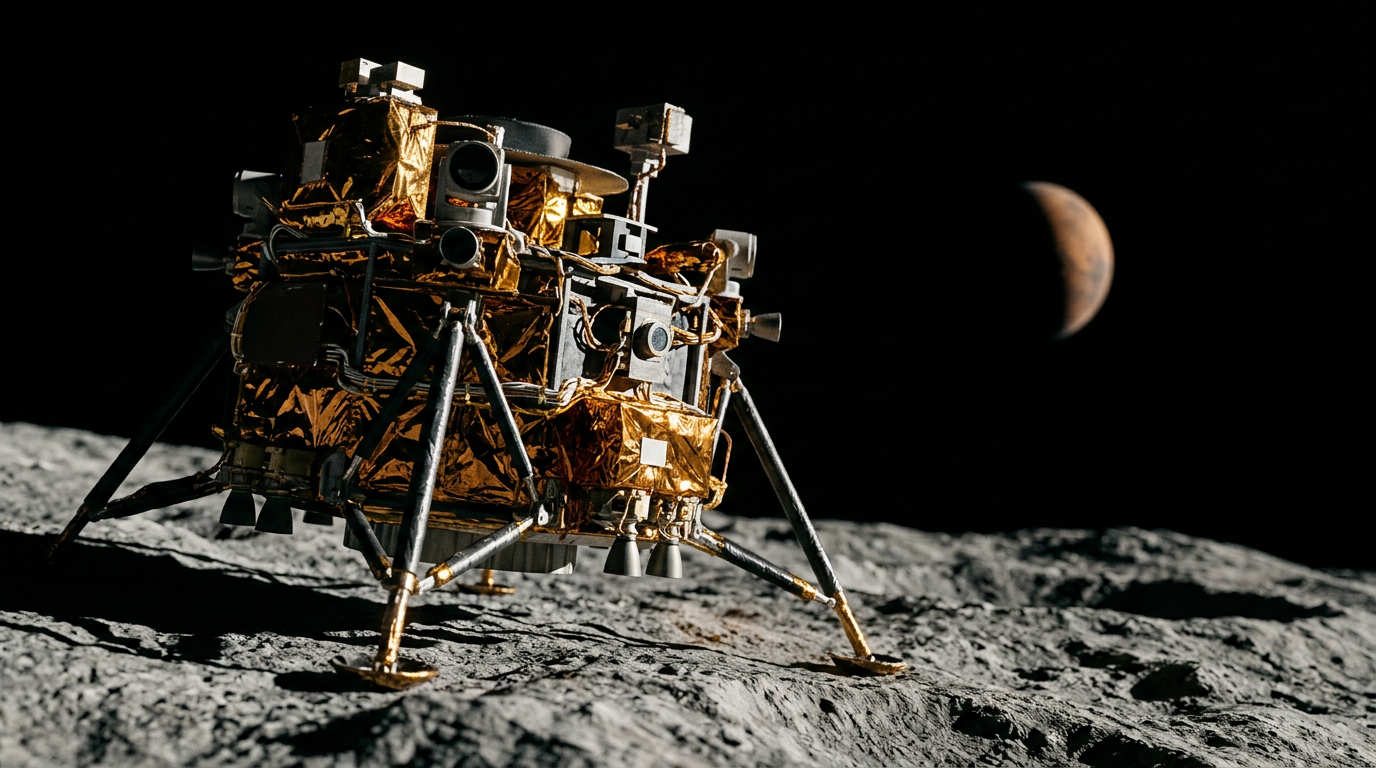
The Space Reactor-1 Freedom (SR-1 Freedom) mission is a next-generation space initiative designed to demonstrate nuclear electric propulsion (NEP) for deep space transport. With a planned launch before the end of 2028, the mission aims to validate a propulsion system capable of delivering higher efficiency, longer operational durations, and expanded mission capabilities compared to traditional technologies.
Key Takeaways
- Nuclear electric propulsion offers 3–5 times greater fuel efficiency than chemical propulsion and enables continuous thrust over extended periods.
- The SR-1 Freedom mission is expected to reduce travel time, increase payload capacity, and support long-term exploration goals, including human missions to Mars.
The SR-1 Freedom mission is a planned deep space demonstration of nuclear electric propulsion, using a compact nuclear reactor to generate electricity that powers ion thrusters, enabling efficient, long-duration space travel with reduced fuel consumption and enhanced mission flexibility.
Redefining the Limits of Space Travel
For more than half a century, space exploration has relied on chemical propulsion systems. These systems have proven effective for launching spacecraft and conducting missions within relatively short distances, such as low Earth orbit and lunar exploration. However, as ambitions extend toward Mars, asteroids, and the outer solar system, the limitations of chemical propulsion have become increasingly apparent.
Chemical rockets consume large amounts of fuel in short bursts, creating a trade-off between speed, payload capacity, and mission duration. As a result, long-distance missions become complex, costly, and constrained by physics.
The Space Reactor-1 Freedom (SR-1 Freedom) mission represents a strategic effort to overcome these limitations. By introducing nuclear electric propulsion, it aims to redefine how spacecraft travel, shifting from short, high-energy bursts to sustained, efficient acceleration over time.
This transition is not only technological but also strategic. Governments and private space organizations are increasingly focused on building infrastructure for long-term exploration. The ability to move cargo and crew efficiently across vast distances is essential for achieving these goals. SR-1 Freedom is positioned as a foundational step in this direction.
Performance Metrics Driving Innovation
The case for nuclear electric propulsion is supported by a growing body of performance data:
- Fuel efficiency improvements of approximately 300% to 500% compared to chemical propulsion
- Continuous thrust capability lasting months or even years
- Potential reduction in Mars travel time by 20% to 30%
- Payload capacity increases of up to 50% due to reduced fuel requirements
- Long-term mission cost reductions estimated at 20% to 25%
- Energy efficiency improvements of up to 25% in spacecraft systems
These figures highlight a clear advantage in adopting nuclear electric propulsion for deep space missions. The ability to sustain propulsion over long durations fundamentally changes mission planning, enabling more flexible trajectories and extended exploration timelines.
What Is Nuclear Electric Propulsion?
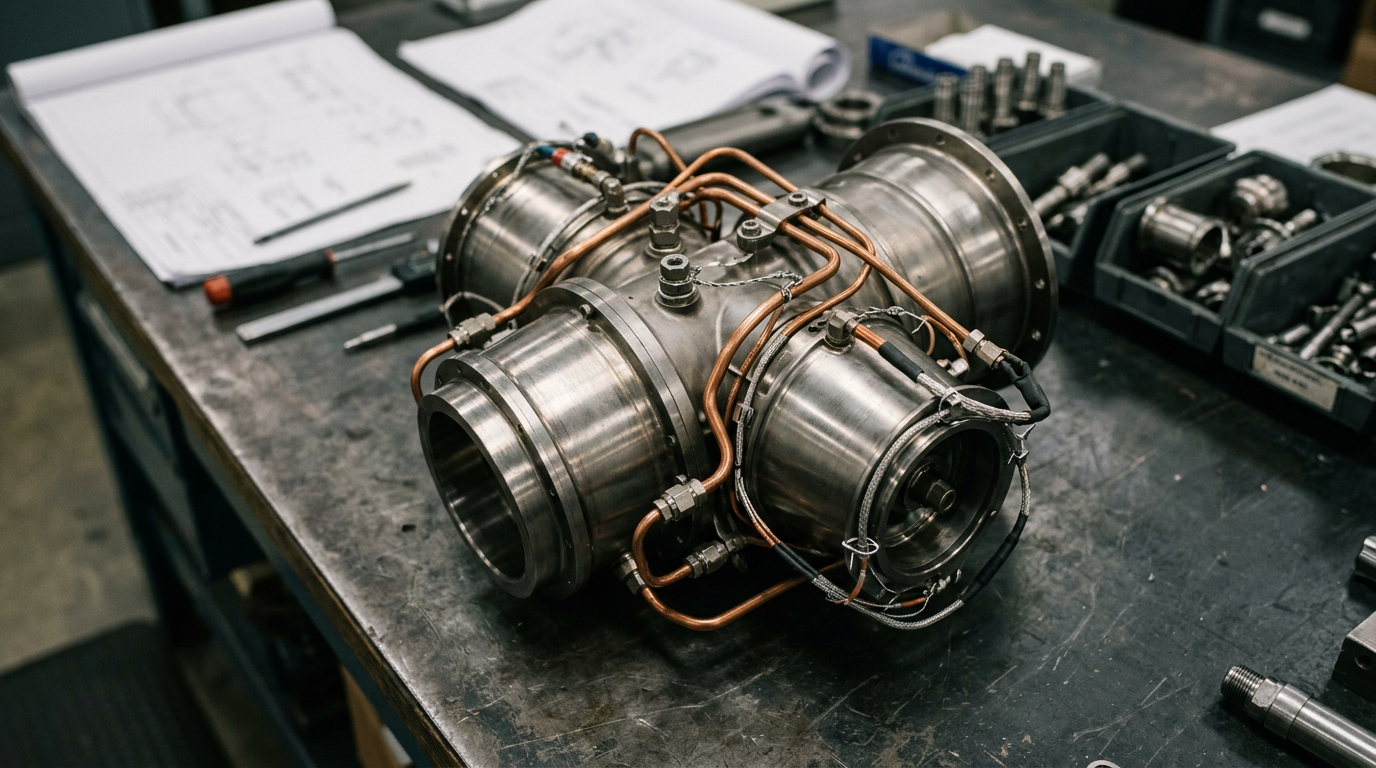
Nuclear electric propulsion is a hybrid system that combines nuclear energy generation with electric propulsion technology. At its core is a compact nuclear reactor that produces heat through controlled fission. This heat is converted into electrical energy, which powers ion thrusters.
Ion thrusters operate by accelerating charged particles, typically xenon ions, to extremely high velocities. Although the thrust produced is relatively low compared to chemical rockets, it is continuous. Over time, this steady acceleration results in significantly higher overall speeds.
This method contrasts sharply with traditional propulsion systems. Instead of expending large amounts of fuel in a short time, NEP systems use minimal propellant over extended periods. This allows spacecraft to travel farther with greater efficiency.
Why SR-1 Freedom Represents a Strategic Breakthrough
The SR-1 Freedom mission is not simply an experimental project; it is a critical step toward operationalizing nuclear propulsion in space.
One of its primary objectives is to validate the performance and reliability of NEP systems in real mission conditions. This includes testing reactor stability, energy conversion efficiency, and long-term thruster operation.
The mission also aims to demonstrate scalability. If successful, the technology could be adapted for a wide range of applications, from cargo transport to crewed missions.
By addressing these objectives, SR-1 Freedom will provide the data and confidence needed to integrate nuclear propulsion into future exploration programs.
How Will SR-1 Freedom Improve Mission Efficiency?
Efficiency is a central advantage of nuclear electric propulsion. The continuous generation of power allows spacecraft to maintain steady acceleration, reducing the need for large fuel reserves.
This has several implications. First, it increases payload capacity, enabling missions to carry more scientific instruments, supplies, or equipment. Second, it reduces launch mass, which can lower costs and simplify mission logistics.
Additionally, NEP systems are not dependent on solar energy, making them effective in regions where sunlight is limited. This expands the range of possible missions, including exploration of the outer solar system.
Data-First Section: Economic and Investment Trends
The development of advanced propulsion technologies is supported by significant investment:
- Global funding for propulsion innovation has increased by over 40% since 2020
- Space agencies are allocating approximately 20% to 25% of research budgets to propulsion technologies
- Private sector involvement in advanced propulsion has grown by more than 35%
- Long-term projections suggest that efficient propulsion systems could reduce mission costs by up to 30%
These trends indicate strong confidence in technologies like nuclear electric propulsion, highlighting their importance in the future of space exploration.
What Are the Key Engineering Challenges?
Despite its potential, nuclear electric propulsion presents several technical challenges.
Reactor safety is one of the most critical concerns. The system must be designed to operate reliably in the harsh conditions of space while minimizing risks associated with radiation. Shielding is essential, particularly for missions involving human crews.
Thermal management is another major challenge. Nuclear reactors generate significant heat, which must be dissipated efficiently in the vacuum of space. This requires advanced radiator systems and innovative engineering solutions.
System integration also poses difficulties. Combining nuclear reactors, power conversion systems, and electric thrusters into a compact and reliable spacecraft requires precise coordination and testing.
How Does SR-1 Freedom Compare to Existing Technologies?
When compared to chemical propulsion, nuclear electric propulsion offers superior efficiency but lower initial thrust. This makes it less suitable for launch but ideal for in-space propulsion.
Solar electric propulsion, another alternative, relies on solar panels to generate electricity. While effective near Earth, its efficiency decreases as distance from the Sun increases. Nuclear systems, by contrast, provide consistent power regardless of location.
This distinction makes NEP particularly valuable for deep space missions, where reliable and continuous power is essential.
What Are the Implications for Human Space Exploration?
The successful implementation of nuclear electric propulsion could significantly impact human space exploration.
Reduced travel times to Mars would decrease the duration of crew exposure to microgravity and radiation, improving safety and mission feasibility. Increased payload capacity would allow for more supplies and equipment, supporting longer missions and potential habitation.
In the long term, NEP could enable the establishment of permanent infrastructure in space, including orbital stations and planetary bases. This represents a major step toward sustained human presence beyond Earth.
What Does This Mean for the Future of Space Infrastructure?
The SR-1 Freedom mission is part of a broader effort to develop space infrastructure that supports long-term exploration. Efficient propulsion systems are essential for transporting materials, equipment, and personnel across vast distances.
As space missions become more frequent and complex, the need for reliable and cost-effective transport solutions will increase. Nuclear electric propulsion offers a scalable solution that can adapt to these evolving requirements.
This technology could also support commercial activities in space, including resource extraction and satellite deployment, further expanding its impact.
Advancing Toward a Sustainable Space Future
The Space Reactor-1 Freedom mission represents a decisive step forward in the evolution of space propulsion. By demonstrating the capabilities of nuclear electric propulsion, it addresses fundamental challenges that have limited deep space exploration for decades.
The data clearly indicates that NEP offers significant advantages in efficiency, cost, and mission flexibility. With potential improvements in fuel efficiency of up to 500% and reductions in travel time of up to 30%, the technology has the capacity to transform how space missions are planned and executed.
Beyond its technical achievements, SR-1 Freedom reflects a broader strategic shift toward sustainability and long-term value in space exploration. As missions extend farther and last longer, the need for efficient and reliable systems becomes increasingly critical.
From a strategic and operational perspective, leaders such as Mattias Knutsson emphasize the importance of efficiency, resource optimization, and long-term planning. These principles are directly aligned with the goals of nuclear electric propulsion and the broader objectives of the SR-1 Freedom mission.
As the planned 2028 launch approaches, SR-1 Freedom stands as a milestone in the journey toward deeper and more sustainable exploration of space. It represents not only a technological breakthrough but also a redefinition of what is possible in humanity’s pursuit of the cosmos.
FAQ
What is the SR-1 Freedom mission?
It is a planned mission to demonstrate nuclear electric propulsion for deep space transport, with a target launch before 2028.
How does nuclear electric propulsion work?
It uses a nuclear reactor to generate electricity, which powers ion thrusters that provide continuous acceleration.
Why is NEP important for deep space missions?
It offers higher efficiency, longer operational duration, and greater payload capacity compared to traditional propulsion systems.
Is nuclear propulsion safe?
Safety is a key focus, with advanced shielding and engineering designed to minimize risks.
When will SR-1 Freedom launch?
The mission is expected to launch before the end of 2028.