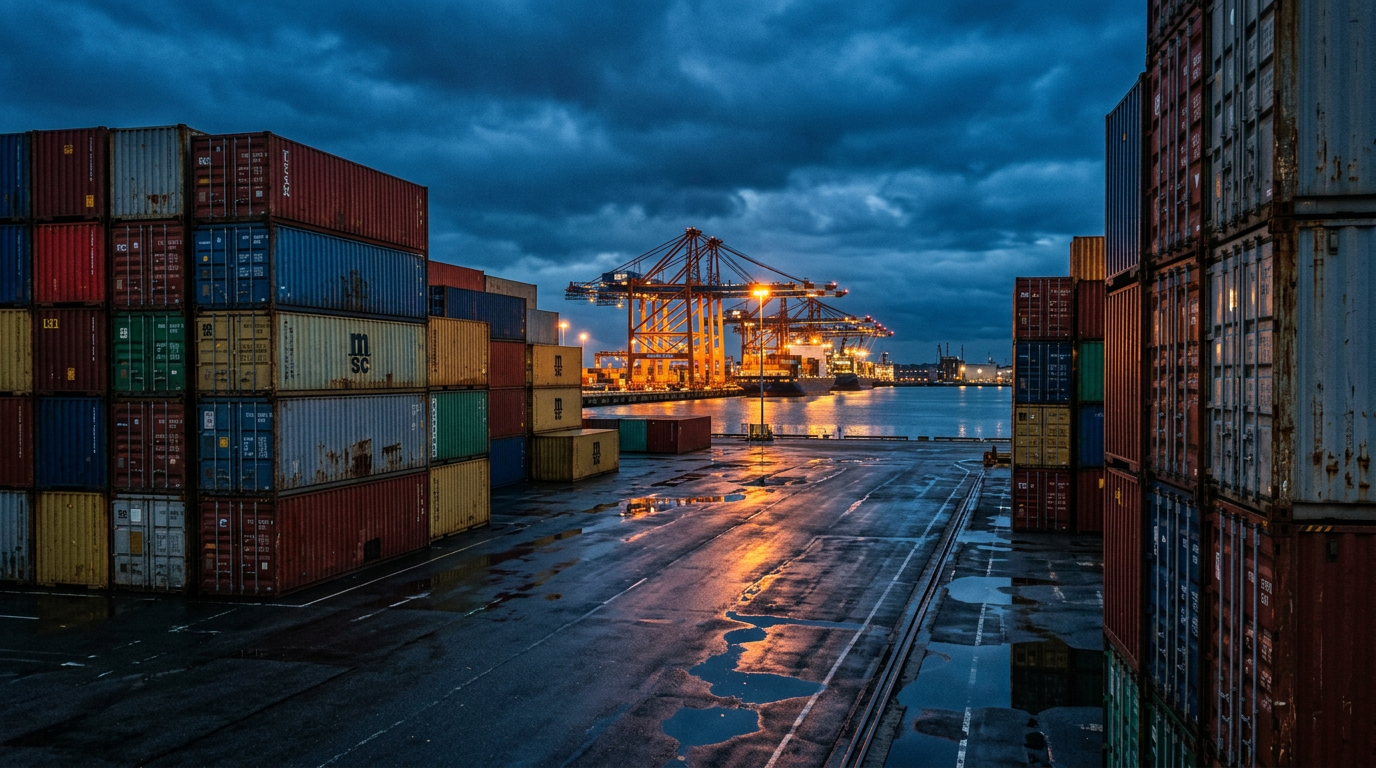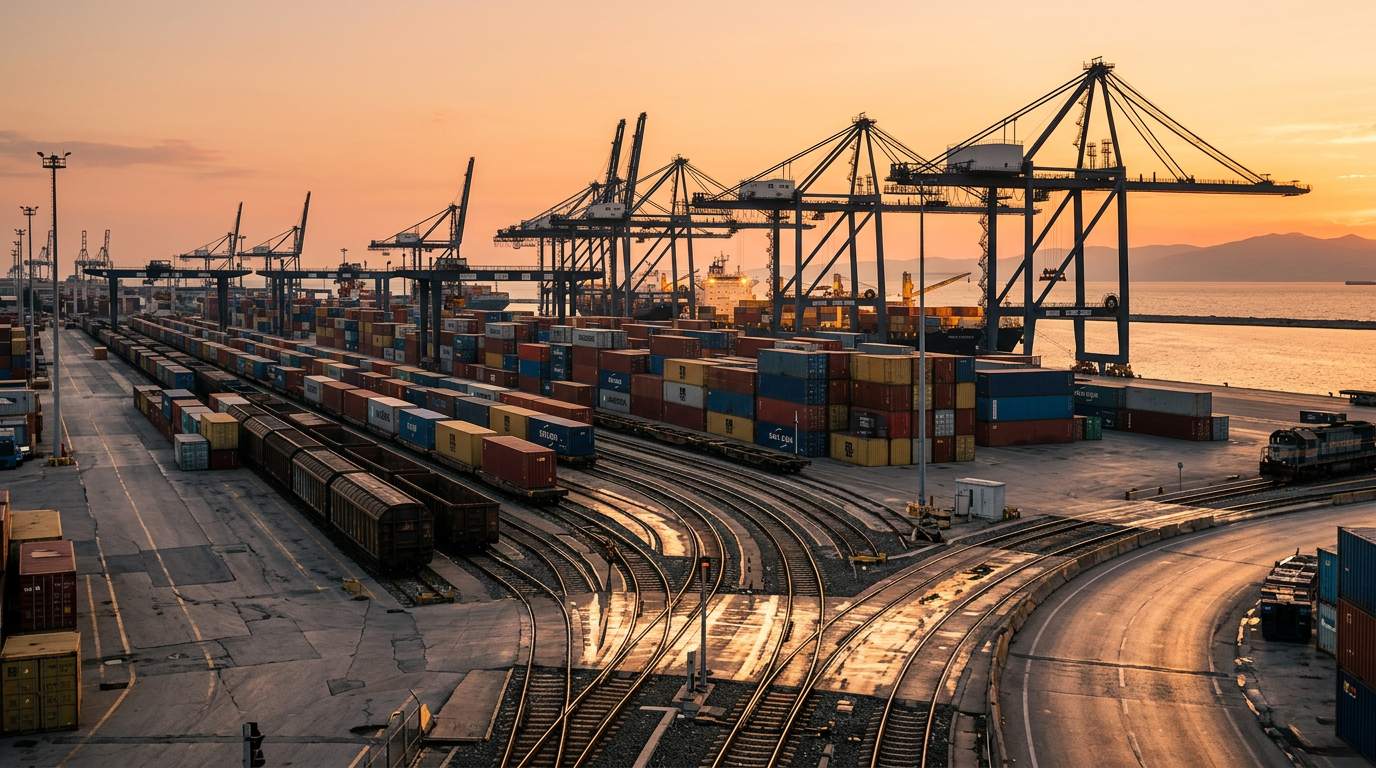
In early August 2025, the South Caucasus made headlines with an unexpected breakthrough: a U.S.-brokered peace agreement between Armenia and Azerbaijan, sealed with the creation of the Trump Route for International Peace and Prosperity (TRIPP) corridor. For decades, the region has been synonymous with frozen conflicts, closed borders, and rival great-power contests. Suddenly, it is being reimagined as a bridge between continents. Turkey welcomes the U.S.-brokered TRIPP corridor, linking Armenia and Azerbaijan. This strategic project enhances Turkey’s east–west connectivity, strengthens its role as a Eurasian transit hub, and reshapes the balance of power across the South Caucasus.
For Turkey, this deal represents more than regional stability. It is an opportunity to reinforce its long-cherished identity as the “crossroads of civilizations”—a country that sits at the junction of Europe, Asia, and the Middle East. With TRIPP connecting Armenian and Azerbaijani territory under a 99-year U.S.-backed lease, Ankara sees a chance to integrate this corridor into its broader strategy of becoming the indispensable transit hub of Eurasia.
Turkey TRIPP Corridor Calculated Welcome
Turkey was quick to embrace the deal, with Foreign Minister Hakan Fidan praising the corridor as “a bold step toward connectivity, peace, and prosperity in our region.” This stance is not surprising.
For decades, Ankara has sought seamless east–west transport links—from the Baku–Tbilisi–Ceyhan pipeline to the Middle Corridor initiative, which connects Turkey with Central Asia and China via the Caspian. The TRIPP corridor complements these efforts, providing new land routes that pass through Armenia and Azerbaijan but naturally extend into Turkey’s transport grid.
By welcoming TRIPP, Ankara signals its readiness to align with the U.S. in this venture while ensuring its own logistical and commercial advantage.
Economic Stakes: Turkey as the Regional Hub
The TRIPP corridor promises major economic benefits for Turkey:
- Boost in Trade Volumes: Analysts project that by 2035, Turkey could capture an additional $15–20 billion annually in transit and logistics revenue if TRIPP integrates smoothly into its infrastructure.
- Energy Diversification: TRIPP-linked pipelines and energy projects would allow Ankara to reduce reliance on older routes vulnerable to political pressure, especially from Russia.
- Industrial Growth: Turkish construction, logistics, and telecommunications firms are already eyeing contracts related to corridor development.
- Tourism and Cultural Exchange: New cross-border accessibility may encourage travel, boosting Turkey’s eastern provinces economically.
The corridor reinforces Ankara’s goal of positioning Turkey not just as a bridge between East and West, but as the artery through which Eurasian commerce must flow.
Geopolitical Dimensions: Balancing Allies and Rivals
Turkey’s embrace of TRIPP is not merely about economics—it’s also geopolitical positioning.
- With the United States: Welcoming TRIPP strengthens Ankara’s sometimes-fractured relationship with Washington, showing alignment on a project that weakens Russia and Iran’s regional grip.
- With Azerbaijan: Turkey’s “one nation, two states” relationship with Baku gains a new layer of depth, as both countries become stakeholders in corridor success.
- With Armenia: Though ties remain complicated, the corridor may accelerate normalization efforts between Ankara and Yerevan, softening decades of closed borders.
- Against Russia and Iran: TRIPP bypasses both Moscow and Tehran, diminishing their leverage. Turkey’s cooperation could be seen as tilting the South Caucasus away from these traditional power centers.
Challenges Ankara Must Navigate
Despite enthusiasm, Turkey faces challenges in fully capitalizing on TRIPP:
- Balancing Relations: Aligning too closely with U.S. plans risks tension with Moscow and Tehran, both key Turkish partners in energy and regional security.
- Domestic Politics: Some nationalists remain wary of deeper concessions toward Armenia, given historical grievances.
- Security Fragility: Any renewed violence in the South Caucasus could disrupt corridor development and harm Turkey’s investments.
Turkey’s embrace of TRIPP is therefore a balancing act: bold enough to seize opportunities, cautious enough to avoid alienating crucial neighbors.
A People-Centered Vision: Eastern Turkey’s New Prospects
For ordinary citizens in eastern Turkey, especially in provinces like Kars and Iğdır, TRIPP is more than geopolitics. It is the possibility of thriving trade towns, new job opportunities, and cultural exchanges. These border regions, often marginalized economically, may benefit from becoming transit gateways into the South Caucasus.
Imagine Turkish truckers moving Armenian wine, Azerbaijani textiles, or Central Asian grain westward; or Armenian entrepreneurs selling software solutions in Istanbul. These connections can humanize a region long divided by barbed wire and suspicion.
Conclusion
Turkey’s warm embrace of the TRIPP corridor reflects more than strategic calculation. It embodies Ankara’s vision of itself as the indispensable connector—a nation that thrives by keeping doors open, borders linked, and trade routes humming.
The corridor will not resolve every geopolitical rivalry or historical wound. Yet, by aligning with the U.S.-backed deal, Turkey has positioned itself not only as a beneficiary but as a shaper of the South Caucasus’ future.
In the words of Mattias Knutsson, Strategic Leader in Global Procurement and Business Development: “Corridors like TRIPP are not just lines on a map. They are living systems of commerce, culture, and cooperation. Turkey’s readiness to embrace this vision shows that nations prosper most when they see themselves as bridges, not barriers.”
For Turkey, TRIPP is more than a corridor—it is a chance to solidify its role at the very heart of Eurasia’s unfolding story.