Summary
Interior design trends evolve constantly, but not every trend ages gracefully. What once felt modern, aspirational, or social-media-worthy can quickly become repetitive, emotionally cold, impractical, or visually exhausting. By 2026, designers are increasingly moving away from overly staged, trend-chasing interiors and embracing spaces that feel more authentic, layered, emotionally warm, and personally meaningful. Tacky Home Trends designers reveal the 8 home décor and interior design trends officially falling out of favor in 2026, from overly gray interiors and fast-furniture aesthetics to impractical Minimalism and copy-paste social media homes.
According to many interior designers and lifestyle experts, some of the most overused aesthetics of the past decade have officially reached their saturation point. Ultra-gray interiors, copy-paste Minimalism, excessively curated social media spaces, cheap fast-furniture aesthetics, and overly thematic rooms are beginning to feel disconnected from how people genuinely want to live. Consumers are now prioritizing emotional comfort, tactile warmth, individuality, sustainability, and timeless functionality over trends designed purely for visual impact online.
The shift happening in 2026 is not simply about rejecting old styles. It reflects a deeper cultural movement toward authenticity and emotional well-being. People increasingly want homes that feel lived-in, comforting, adaptable, and expressive rather than spaces designed solely to impress others. Designers now believe the future of interiors lies in personality, craftsmanship, layered textures, natural imperfection, and emotionally intelligent living environments.
Key Takeaways
- Overly gray interiors are losing popularity as consumers seek warmer and more emotional spaces.
- Copy-paste social media homes are increasingly viewed as inauthentic and visually repetitive.
- Excessive Minimalism is being replaced by more personal and layered interiors.
- Fast-furniture aesthetics are falling out of favor due to sustainability and quality concerns.
- Faux luxury finishes are increasingly perceived as dated and artificial.
- Overly themed rooms no longer reflect modern flexible living needs.
- Consumers are prioritizing emotional comfort, authenticity, and individuality.
- Quiet Luxury, tactile warmth, and curated personalization are replacing trend-chasing décor.
- Designers believe timeless, adaptable spaces will define future interiors.
Interior designers say several once-popular home trends are officially fading in 2026 because they now feel overused, emotionally disconnected, impractical, or inauthentic. Trends such as all-gray interiors, hyper-Minimalist spaces, copy-paste social media aesthetics, fast-furniture styling, faux luxury materials, and excessively themed rooms are increasingly being replaced by warmer, more personal, layered, and emotionally comforting interiors. The future of home design is moving toward authenticity, individuality, sustainability, and spaces that genuinely support modern lifestyles rather than simply looking trendy online.
Why Interior Trends Are Changing So Quickly in 2026
Interior design trends today evolve much faster than they did in previous decades, largely because of social media, digital culture, rapid content consumption, and the pressure to constantly reinvent visual aesthetics online. Platforms like Instagram, Pinterest, and TikTok accelerated the spread of certain home trends to such an extent that styles which once would have remained fresh for years now reach saturation within months. As millions of homes began replicating the same visual formulas, consumers gradually started feeling emotionally disconnected from spaces that looked beautiful online but lacked individuality and comfort in real life.
At the same time, broader social changes are reshaping how people think about home environments. The rise of remote and hybrid work, increasing awareness around mental well-being, economic uncertainty, sustainability concerns, and digital fatigue have all changed what people want from their living spaces. Homes are no longer expected to function only as visually impressive environments. They must also provide emotional warmth, adaptability, calmness, comfort, and a sense of personal identity.
This shift is why many trends that once dominated social media now feel emotionally outdated. In 2026, designers increasingly believe that interiors should reflect authentic living rather than algorithm-driven aesthetics. Consumers want spaces that feel human again.
Why Are All-Gray Interiors Officially Falling Out of Favor?
For years, gray dominated modern interiors. Gray walls, gray flooring, gray kitchens, gray sofas, and gray décor became synonymous with sophistication, modernity, and resale-friendly design. Developers, influencers, and furniture brands heavily promoted gray because it felt clean, neutral, and universally appealing. However, by 2026, many designers believe the trend has become emotionally exhausting and visually lifeless.
The biggest criticism of overly gray interiors is that they often feel cold and emotionally flat. While gray can still work beautifully in balanced compositions, entire homes built around cool gray palettes increasingly feel impersonal and disconnected from the warmth people now crave. After years of global uncertainty and digital overstimulation, consumers are gravitating toward softer neutrals, earthy tones, warm whites, clay shades, muted greens, natural textures, and emotionally comforting palettes.
Designers now emphasize that homes should feel emotionally restorative rather than sterile. Warmth has become more important than trend conformity, and this emotional shift is pushing monochromatic gray interiors out of mainstream desirability.
Why Is Copy-Paste Social Media Design Becoming So Tacky?
One of the most criticized trends in 2026 is the rise of copy-paste interiors inspired entirely by social media algorithms. Over the past several years, countless homes began looking nearly identical online: boucle chairs, beige palettes, abstract line art, LED mood lighting, oversized mirrors, minimalist shelving, and carefully staged coffee tables repeated endlessly across platforms.
The problem is not that these individual elements are inherently bad. The issue is that many homes started feeling emotionally generic and overly performative, designed more for online validation than actual living. Designers increasingly argue that social-media-first interiors often lack personality, practicality, and emotional depth.
Consumers are now becoming more aware of this sameness. They are starting to reject spaces that feel like showroom replicas and instead seek homes reflecting real experiences, cultural influences, memories, hobbies, craftsmanship, and personal storytelling. Authenticity has become more desirable than aesthetic perfection.
In 2026, originality itself is becoming a luxury.
Why Is Extreme Minimalism Losing Its Appeal?
Minimalism once represented clarity, sophistication, and intentional living. At its best, Minimalism encouraged simplicity, organization, and freedom from unnecessary clutter. However, extreme Minimalism gradually evolved into something many people found emotionally restrictive and impractical.
Highly Minimalist homes often removed so much personality, softness, and visual warmth that they began feeling more like curated galleries than comfortable living spaces. In reality, people collect memories, hobbies, books, art, sentimental objects, and evolving interests over time. Completely stripped-down interiors rarely reflect how humans naturally live.
Designers now believe people are moving toward more balanced environments where simplicity coexists with warmth, layering, and individuality. The future is not necessarily anti-Minimalist, but it is increasingly anti-sterile. Consumers want spaces that feel intentional without feeling emotionally empty.
This shift also explains the rise of Maximalism, Updated Nostalgia, and more layered design aesthetics across younger generations.
Why Fast-Furniture Aesthetics Are Starting to Feel Cheap
Fast furniture became incredibly popular because it offered affordable access to trendy aesthetics. However, by 2026, many consumers are growing frustrated with disposable furniture culture, poor craftsmanship, repetitive mass-produced styling, and sustainability concerns.
Designers increasingly criticize interiors built entirely around short-term trend pieces lacking durability, emotional value, or timelessness. Cheap materials, overly synthetic finishes, and low-quality construction often age poorly both physically and aesthetically.
As sustainability awareness grows, consumers are becoming more intentional about investing in fewer but better-quality pieces. Vintage furniture, handcrafted décor, restored antiques, artisanal objects, and long-lasting materials are becoming more attractive because they add individuality, texture, and emotional permanence to spaces.
This movement reflects a broader rejection of disposable culture itself. Homes are increasingly viewed as long-term emotional environments rather than rapidly replaceable visual trends.
Why Faux Luxury Is No Longer Fooling Anyone
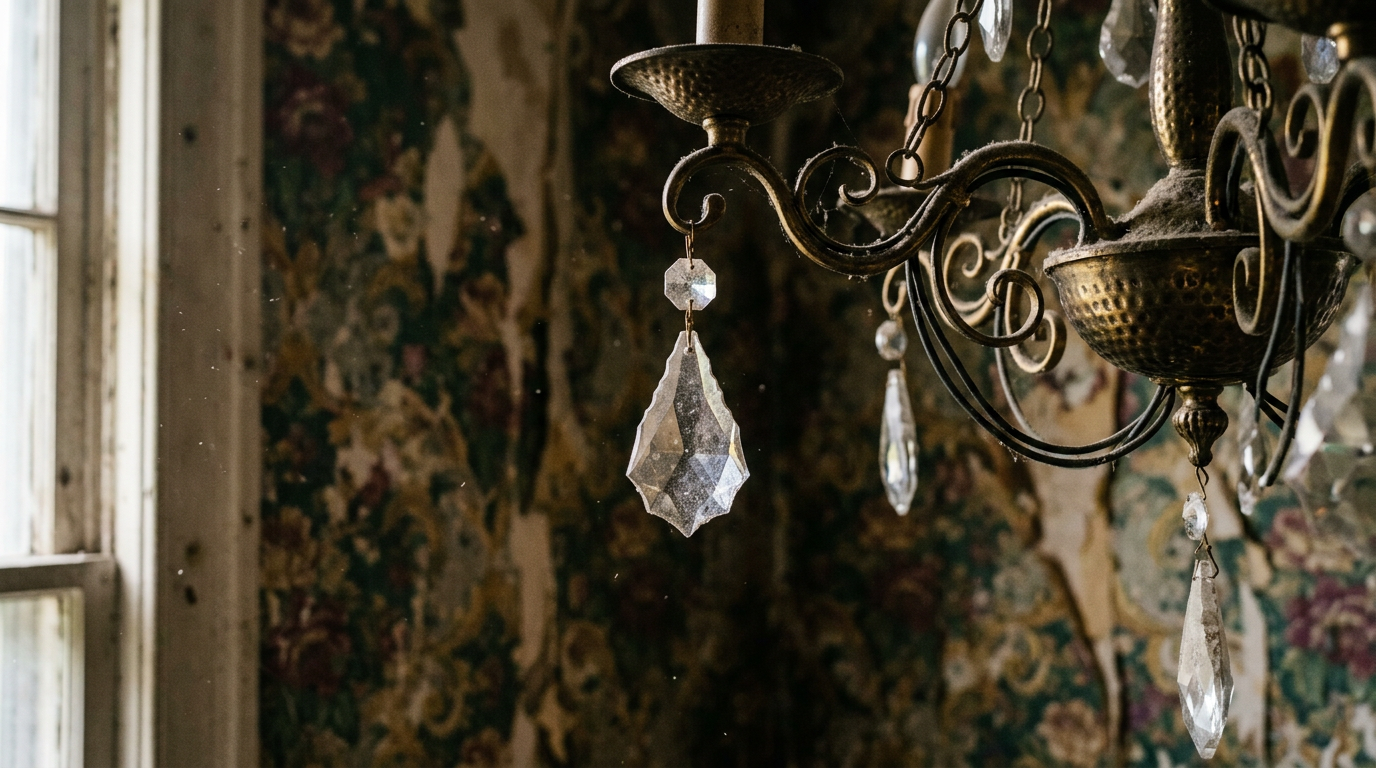
Another design direction losing favor in 2026 is exaggerated faux luxury. For years, interiors filled with imitation marble, overly glossy gold finishes, mirrored furniture, excessive velvet, crystal-heavy styling, and ultra-polished glamour aesthetics dominated parts of social media. While these looks initially appeared dramatic and aspirational, many designers now believe they often feel artificial, visually overwhelming, and disconnected from modern living.
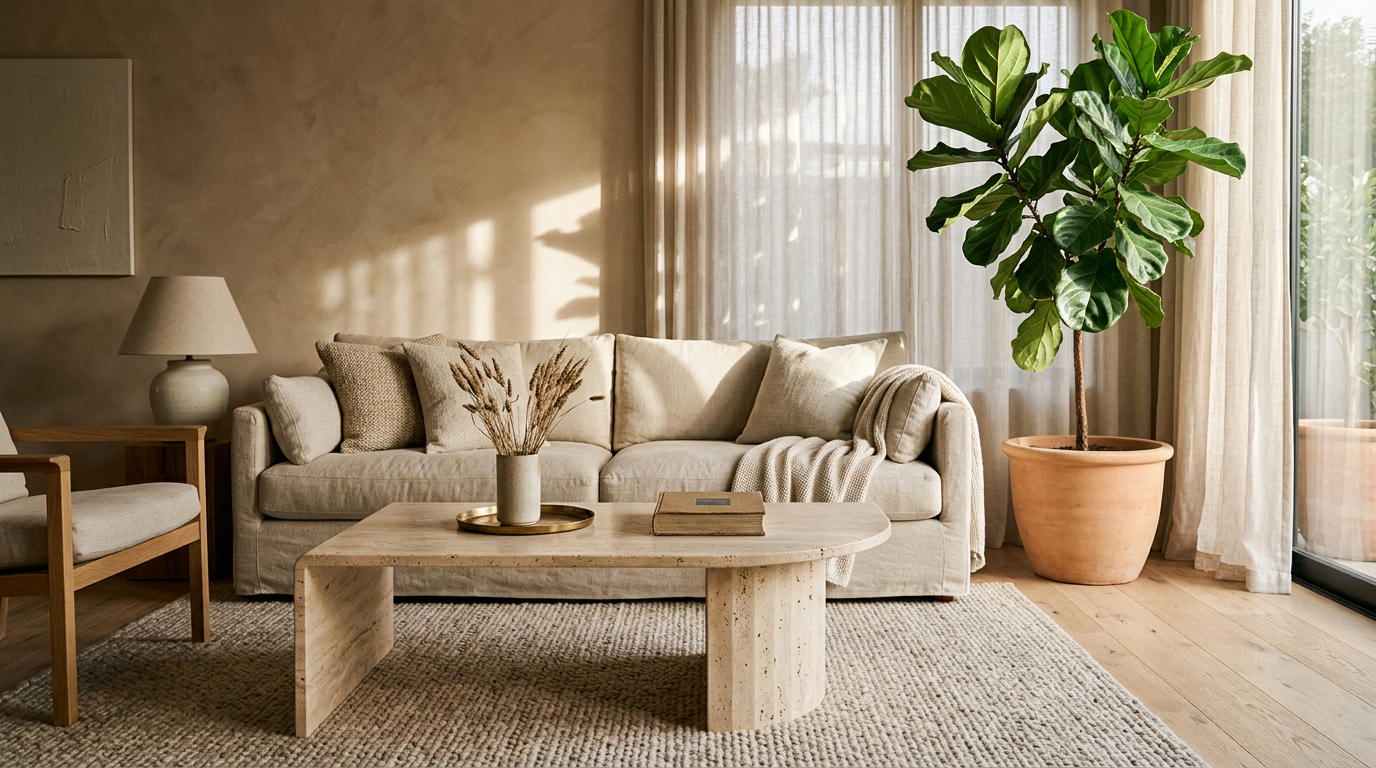
The new luxury aesthetic is far quieter and more emotionally refined. Instead of obvious displays of wealth, consumers increasingly prefer authenticity, craftsmanship, texture, atmosphere, and subtle sophistication. This is why movements like Quiet Luxury and Warm Luxury continue gaining momentum.
Natural stone, matte metals, soft lighting, tactile materials, sculptural furniture, and understated elegance now feel more timeless than flashy imitation opulence. Designers argue that true sophistication no longer needs to announce itself loudly.
Why Overly Themed Rooms Are Becoming Outdated
For years, themed interiors became highly popular online, with rooms designed entirely around one concept, color, aesthetic, or visual identity. While thematic styling can sometimes feel playful and immersive, many designers now believe overly themed rooms age quickly and reduce long-term flexibility.
Rooms built entirely around one trend often become visually exhausting over time. They can also make homes feel more like temporary sets than evolving living environments. Modern lifestyles are increasingly fluid and multifunctional, requiring spaces that adapt to changing needs rather than locking themselves into rigid aesthetic identities.
Consumers now prefer more layered interiors where influences can coexist naturally. Instead of forcing one design identity into every corner, homeowners are embracing more flexible combinations of vintage pieces, modern elements, personal collections, wellness-focused spaces, and practical functionality.
The future of design is becoming more emotionally adaptive and less performative.
Why Matching Furniture Sets Are Losing Relevance
Perfectly matching furniture sets were once marketed as the easiest way to create polished interiors. Entire rooms featuring identical wood finishes, matching sofas, coordinated side tables, and uniform décor were viewed as sophisticated and organized. However, by 2026, designers increasingly see fully matched interiors as lacking personality and visual depth.
Modern interiors are moving toward curated layering rather than showroom uniformity. Consumers increasingly appreciate spaces where different textures, finishes, periods, and influences coexist naturally. Mixing vintage with modern, combining handcrafted pieces with contemporary design, and layering materials thoughtfully creates spaces that feel more authentic and lived-in.
Homes are increasingly expected to evolve organically over time rather than appear perfectly assembled all at once.
Why Overdecorating Every Surface Is Finally Slowing Down
Another trend designers increasingly criticize is the pressure to decorate every visible surface. During the height of social media interior culture, shelves, countertops, coffee tables, and consoles often became overloaded with decorative objects designed primarily for visual styling.
While decorative layering can create warmth and personality, excessive styling often leads to visual fatigue and clutter disguised as aesthetics. Many homeowners eventually realized that spaces overloaded with décor can become difficult to maintain and emotionally overwhelming.
The shift in 2026 is toward more intentional curation. Designers now encourage leaving breathing room within interiors and allowing meaningful objects to stand out naturally rather than competing for attention. This creates calmer environments while still preserving warmth and personality.
Home Trend Shift Table: What’s Out in 2026 vs. What’s Replacing It
| Outdated Trend | Why Designers Say It Feels Tacky | What’s Replacing It |
|---|---|---|
| All-gray interiors | Emotionally cold and overdone | Warm neutrals, earthy tones, soft greens |
| Copy-paste social media homes | Generic and inauthentic | Personalized, layered interiors |
| Extreme Minimalism | Sterile and impractical | Warm simplicity with emotional depth |
| Fast-furniture styling | Disposable and repetitive | Vintage, artisanal, quality craftsmanship |
| Faux luxury finishes | Artificial and visually exhausting | Quiet Luxury and understated elegance |
| Overly themed rooms | Inflexible and trend-driven | Flexible, mixed-style interiors |
| Perfectly matching furniture | Showroom-like and impersonal | Curated layering and mixed textures |
| Overdecorated surfaces | Visually cluttered | Intentional styling with breathing space |
What Are Designers Encouraging Instead in 2026?
The future of interior design is becoming more emotional, personal, and human-centered. Rather than chasing trends aggressively, designers increasingly encourage homeowners to focus on creating environments supporting comfort, authenticity, wellness, and long-term adaptability.
This means prioritizing:
- Emotional warmth over perfection
- Texture over visual flatness
- Craftsmanship over mass production
- Personality over trend replication
- Flexibility over rigid styling
- Comfort over performative aesthetics
Homes are increasingly becoming reflections of evolving lifestyles rather than static visual identities. Designers believe the most timeless spaces are those capable of adapting emotionally and practically over time.
FAQ
Why are gray interiors going out of style?
Many designers believe all-gray interiors feel emotionally cold, repetitive, and overly associated with past trends. Warmer and more natural palettes are now preferred.
Is Minimalism completely dead in 2026?
No. Minimalism still influences modern design, but extreme Minimalism lacking warmth or personality is becoming less popular.
Why are social media-inspired interiors criticized?
Many social media interiors became repetitive and emotionally generic because they prioritized online aesthetics over authenticity and functionality.
What is replacing faux luxury interiors?
Quiet Luxury, Warm Luxury, natural materials, understated sophistication, and emotionally refined spaces are replacing flashy faux-opulence aesthetics.
Are matching furniture sets outdated?
Yes. Designers increasingly prefer layered interiors mixing textures, styles, and time periods rather than perfectly coordinated furniture sets.
Why is vintage furniture becoming popular again?
Vintage and handcrafted pieces add individuality, emotional warmth, sustainability, and character that many mass-produced furniture items lack.
What colors are replacing gray interiors?
Warm whites, earthy browns, muted greens, clay tones, soft neutrals, and nature-inspired palettes are becoming increasingly popular.
What defines future interior design trends?
Future interiors will focus more on authenticity, emotional comfort, flexibility, sustainability, and personal storytelling rather than rigid trend-following.
Conclusion
The biggest design shift happening in 2026 is not simply about abandoning certain aesthetics. It is about changing the emotional purpose of the home itself. After years of trend saturation, social media repetition, and overly curated interiors, people are beginning to crave environments that feel more human, personal, comforting, and emotionally honest.
The trends designers now consider “tacky” are often those that prioritized visual performance over authentic living. Whether it was sterile gray Minimalism, fast-furniture aesthetics, faux luxury finishes, or copy-paste influencer homes, many of these trends eventually lost emotional depth because they focused too heavily on appearances alone.
In contrast, the future of interiors is moving toward warmth, individuality, craftsmanship, flexibility, and emotional resonance. Homes are becoming less about perfection and more about how they genuinely support people’s lives, routines, memories, wellness, and evolving identities.
Ultimately, the most stylish homes of 2026 may not be the trendiest ones at all. They will be the homes that feel authentic, timeless, emotionally grounding, and unmistakably personal.