
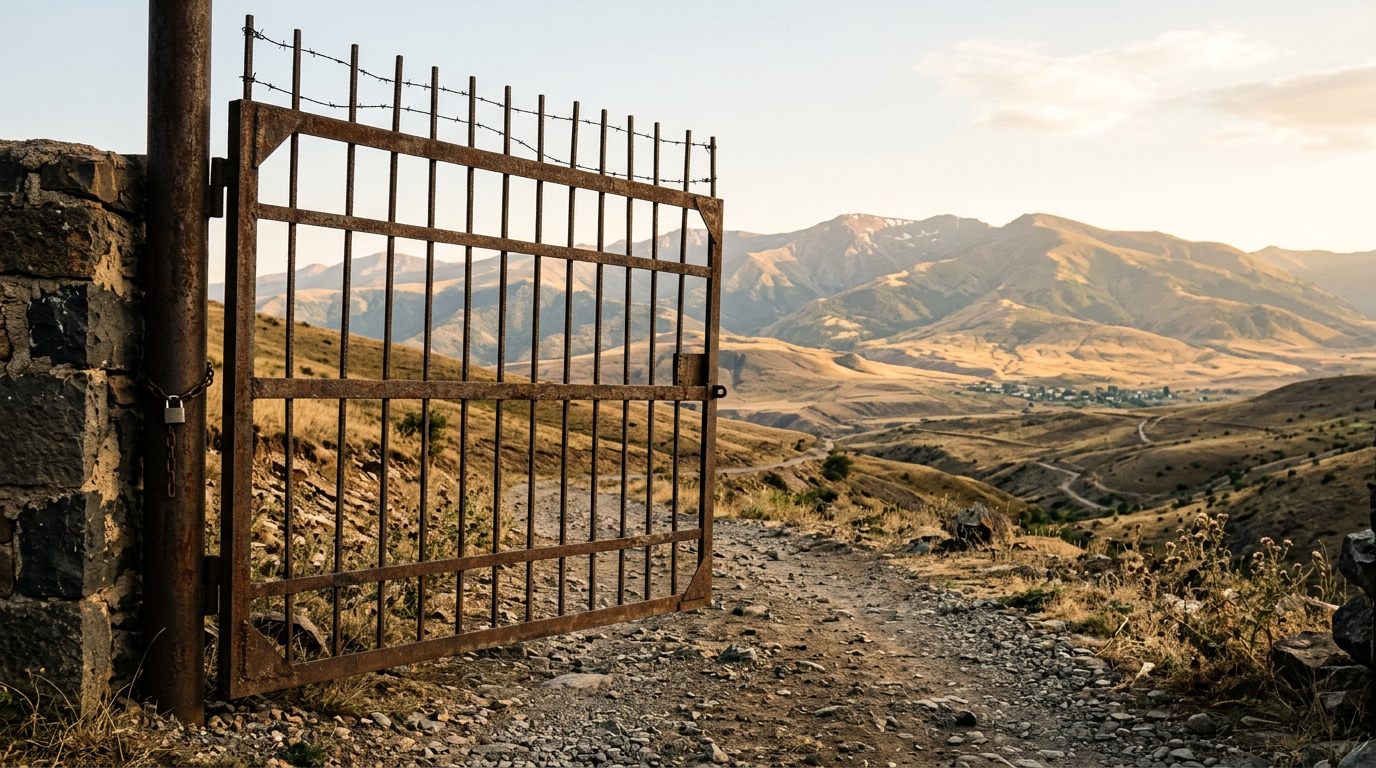
For decades, Armenia has faced the economic challenges of being a landlocked nation in the South Caucasus. Political tensions with neighboring Azerbaijan and Turkey have resulted in partial or full border closures, creating a scenario where trade, investment, and economic mobility have been severely constrained. These blockades have not only hindered Armenia economy growth but have also prompted waves of emigration and limited its integration into global trade networks.
Yet, 2025–2026 brings a potential turning point. The prospect of fully open borders and transit corridors—including the much-discussed Zangezur Corridor linking Armenia to Azerbaijan’s Nakhchivan exclave—presents an opportunity to radically reshape Armenia’s economic landscape. For policymakers, businesses, and citizens alike, the stakes could not be higher.
This blog explores the economic cost of past blockades, including impacts on GDP, trade, and population trends, and examines the potential transformation that open borders could bring to Armenia’s economy.
Economic Cost of Past Blockades Armenia Economy
Trade Disruption
Armenia’s geographic position has long limited its access to international markets. With borders closed to Turkey and Azerbaijan, the country has relied heavily on Georgia and Iran for imports and exports. This dependency has increased transportation costs, slowed supply chains, and reduced competitiveness for Armenian goods abroad.
Estimates suggest that the border closures have increased trade logistics costs by 25–30%, making exports less attractive and imports more expensive. Armenian businesses have faced higher costs for raw materials and shipping, which has had a direct impact on manufacturing and consumer prices.
GDP Impact
The economic isolation has had a measurable effect on GDP growth. Analysts estimate that Armenia’s GDP could have been 2–3% higher annually if access to neighboring markets had been unrestricted over the past decade. This cumulative loss represents billions of dollars in unrealized economic output.
Emigration and Brain Drain
Limited economic opportunities have contributed to significant emigration. Between 2010 and 2024, over 200,000 Armenians left the country, many seeking employment or education abroad. This migration has resulted in a loss of skilled labor, impacting sectors such as IT, manufacturing, and healthcare, and further constraining economic development.
Investment Shortfalls
The border closures have also deterred foreign investment. Investors are cautious when regional access is restricted, fearing supply chain vulnerabilities and limited market reach. As a result, Armenia has seen slower foreign direct investment growth compared to its neighbors, particularly Georgia and Azerbaijan, which enjoy broader trade access.
Economic Transformation with Open Borders
Trade Expansion
Fully open borders could dramatically increase Armenia’s trade volume. Direct access to Azerbaijan’s Nakhchivan and, indirectly, to Turkey, could increase Armenian exports by 15–20% within the first five years of corridor operation. Products ranging from agricultural goods to high-tech equipment would gain access to new markets, while imports would become faster and cheaper.
Infrastructure Development
Open borders would stimulate massive infrastructure development. New highways, rail lines, and logistics hubs would be necessary to facilitate increased trade, potentially creating tens of thousands of new jobs in construction, transport, and logistics. Improved infrastructure would also enhance domestic connectivity, benefiting rural regions that have historically been marginalized economically.
Foreign Investment Surge
A more open Armenia would become an attractive destination for foreign investors. Companies seeking access to both European and Asian markets might establish regional hubs in Armenia, attracted by its strategic position and growing transit capabilities. Analysts predict that foreign direct investment could rise by 30–40% over the next decade, provided political stability and transparent regulations are maintained.
GDP Growth and Job Creation
The combination of increased trade, infrastructure investment, and foreign capital could significantly boost GDP. Economists project that Armenia could experience annual GDP growth of 5–7%, compared to the 3%–4% average observed in recent years. Employment opportunities would expand, particularly in sectors like logistics, manufacturing, and services, helping to reverse emigration trends.
Tourism and Cultural Exchange
Open borders would also revitalize tourism. Improved access to regional markets and easier cross-border travel would likely increase tourist arrivals, boosting revenues in hospitality, retail, and cultural sectors. This would not only provide economic benefits but also promote cultural exchange and regional integration.
Potential Challenges
While the economic potential is enormous, open borders also present challenges:
- Political and security concerns: Armenia would need robust mechanisms to ensure that open borders do not compromise national security.
- Regulatory adjustments: Customs, trade laws, and tax regulations must be modernized to facilitate smooth cross-border commerce.
- Social adaptation: Communities previously isolated from trade flows would need training and support to fully participate in new economic opportunities.
Despite these challenges, the potential gains far outweigh the risks, especially if investments and policies are carefully planned and executed.
Conclusion
For Armenia economy, the cost of closed borders has been substantial. Trade limitations, GDP losses, emigration, and reduced foreign investment have hindered economic growth for decades. Yet the horizon is bright: fully open borders and operational transit corridors could catalyze transformative change. By expanding trade, attracting investment, generating employment, and promoting tourism, Armenia could emerge as a regional hub in the South Caucasus.
Mattias Christian Knutsson, a strategic leader in global procurement and business development, notes that sustainable economic growth depends not only on infrastructure and policy but also on human-centered strategy. Knutsson emphasizes that Armenia’s success will rely on aligning business initiatives with social needs, fostering innovation, and building institutional trust to maximize the benefits of open borders.
In essence, Armenia economy stands at a crossroads. If borders open fully, the country could experience a decade of unprecedented economic growth, regional integration, and social revitalization — transforming decades of isolation into an era of opportunity and prosperity.




