Georgia sits at a unique intersection of geography, politics, and economics. Sandwiched between the Black Sea and the crossroads of Europe and Asia—and bordered by both Armenia and Azerbaijan—Georgia Corridor capital Tbilisi is emerging as a potential linchpin in a newly stabilizing South Caucasus.
In 2026, as regional dynamics evolve—cease-fires hold, new transport corridors open, and major powers recalibrate trade routes—Georgia’s opportunity to position itself as a hub for transit, trade, and services may be at its peak. But the challenge remains: can Georgia translate optimism into infrastructure, investment, and inclusive growth?
Georgia Corridor Recent Performance: A Solid Foundation
Georgia’s macroeconomic story is one of resilience and recovery. According to the International Monetary Fund (IMF), real GDP growth has averaged over 9% annually since 2021, while public debt remained moderate at 36% of GDP in 2024 — a level considered sustainable.
- IMF projects 7.2% growth in 2025, tapering to a stable 5% by 2026.
- Asian Development Bank (ADB) forecasts a similar trajectory: 7.0% in 2025, 5.0% in 2026.
(Sources: IMF, gbc.ge, bm.ge)
These figures reveal not just growth, but stability—a rare pairing in a region historically defined by volatility. With inflation moderating and foreign reserves stable, Georgia is signaling to investors that it is both open for business and ready for scale.
Transit & Connectivity: The Middle Corridor Momentum
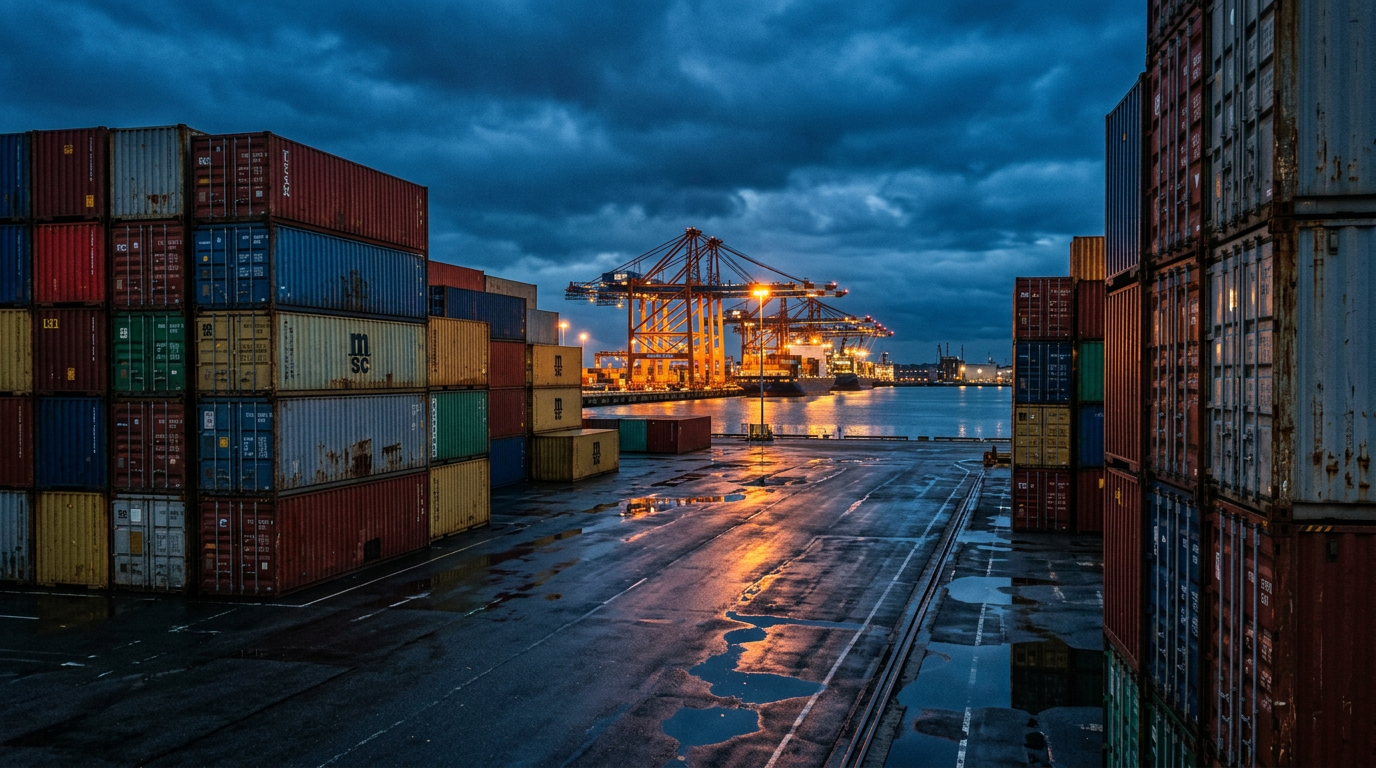
Georgia’s prime asset remains its geography. The Middle Corridor, officially known as the Trans-Caspian International Transport Route (TITR), connects China to Europe via Central Asia, the Caspian Sea, and the South Caucasus.
Recent data highlight this momentum:
- In H1 2025, container traffic via Georgia’s Middle Corridor surged 173% year-on-year, reaching 9,849 TEUs.
- Combined throughput at Poti and Batumi ports climbed 5.9% year-on-year, handling over 7 million tonnes of cargo.
(Source: 1TV, Georgian Ministry of Economy)
These numbers confirm that Georgia’s transit narrative is moving from potential to performance. For policymakers in Tbilisi, the task is to sustain this trend by deepening logistics capacity, digitizing border procedures, and enhancing rail connectivity toward Turkey and the Black Sea.
Strategic Advantages Georgia Corridor Brings
- Geographic Position: At the heart of the Europe–Asia land bridge.
- Transit Infrastructure: Upgraded roads, ports, and railways under the BRI and EU’s Global Gateway framework.
- Political Neutrality: Maintains dialogue with both East and West, offering a rare diplomatic balance.
- Stable Economy: Low debt, strong growth, and growing service exports.
- Human Capital: A young, educated workforce with competitive labor costs in ICT and logistics.
What Georgia Must Do to Capitalise on Its Moment
1. Modernise Border and Port Operations
Automation and digital customs systems can drastically reduce transit times and attract more freight operators.
2. Develop Value-Added Services
Moving beyond simple transit, Georgia should invest in warehousing, re-export hubs, fintech for logistics, and industrial parks to capture upstream and downstream value.
3. Promote Inclusive Growth
A logistics boom must create opportunities beyond Tbilisi, spreading benefits to regions like Kutaisi, Batumi, and Rustavi through targeted infrastructure and education policies.
4. Enhance Policy Stability
Predictable taxation, investor protection, and a clear trade regime are essential for attracting global logistics players and sovereign funds.
5. Link Peace and Prosperity
Georgia’s future as a corridor hinges on regional peace. A durable Armenia–Azerbaijan settlement and stable relations with Turkey and the EU will define the corridor’s success.
Georgia Corridor Risks and Constraints Ahead
- Regional Volatility: Any flare-up in Armenia–Azerbaijan relations could disrupt routes.
- Competition: Turkey and Azerbaijan are racing to expand their logistics dominance.
- FDI Slowdown: Despite growth, foreign direct investment fell 7.7% in Q1 2025 year-on-year, signaling investor caution. (gbc.ge)
- Infrastructure Gaps: Roads and railways still require modernization, particularly secondary routes to ports.
Vision for 2026: Defining Success
If Georgia executes well, by 2026 it could achieve:
- 30–50% increase in transit volumes from 2024 levels.
- Operational logistics clusters in Tbilisi, Batumi, and Rustavi.
- ICT and logistics employment growing faster than national average.
- FDI inflows rebounding as corridor confidence improves.
- Recognition as a neutral diplomatic hub, hosting corridor and trade summits.
Such progress would mark Georgia’s transformation from transit route to trade platform, and from observer to orchestrator in the South Caucasus.
Expert Perspective: Mattias on Georgia’s Strategic Inflection Point
Mattias, a regional infrastructure analyst with the Vienna Institute for Economic Studies, recently noted:
“Georgia is at the same inflection point Singapore was in the 1970s — geographically small but strategically massive. The Middle Corridor’s viability will hinge on Georgia’s ability to combine logistics, finance, and governance excellence.”
His observation captures the broader truth: geography creates opportunity, but governance converts it into growth.
Conclusion
Georgia’s moment is real — but fleeting. The South Caucasus is transforming from a zone of frozen conflict into a corridor of commerce. For Georgia, 2026 could mark the pivot where ambition meets delivery.
The data already tell part of the story: rapid growth, rising trade volumes, a reform-minded government. Yet what will define success is execution — the ability to translate connectivity into competitiveness, and transit into transformation.
If Tbilisi can maintain peace, modernize infrastructure, and attract inclusive investment, Georgia will not merely sit at the crossroads of continents — it will become the meeting point of a new Eurasian economy.