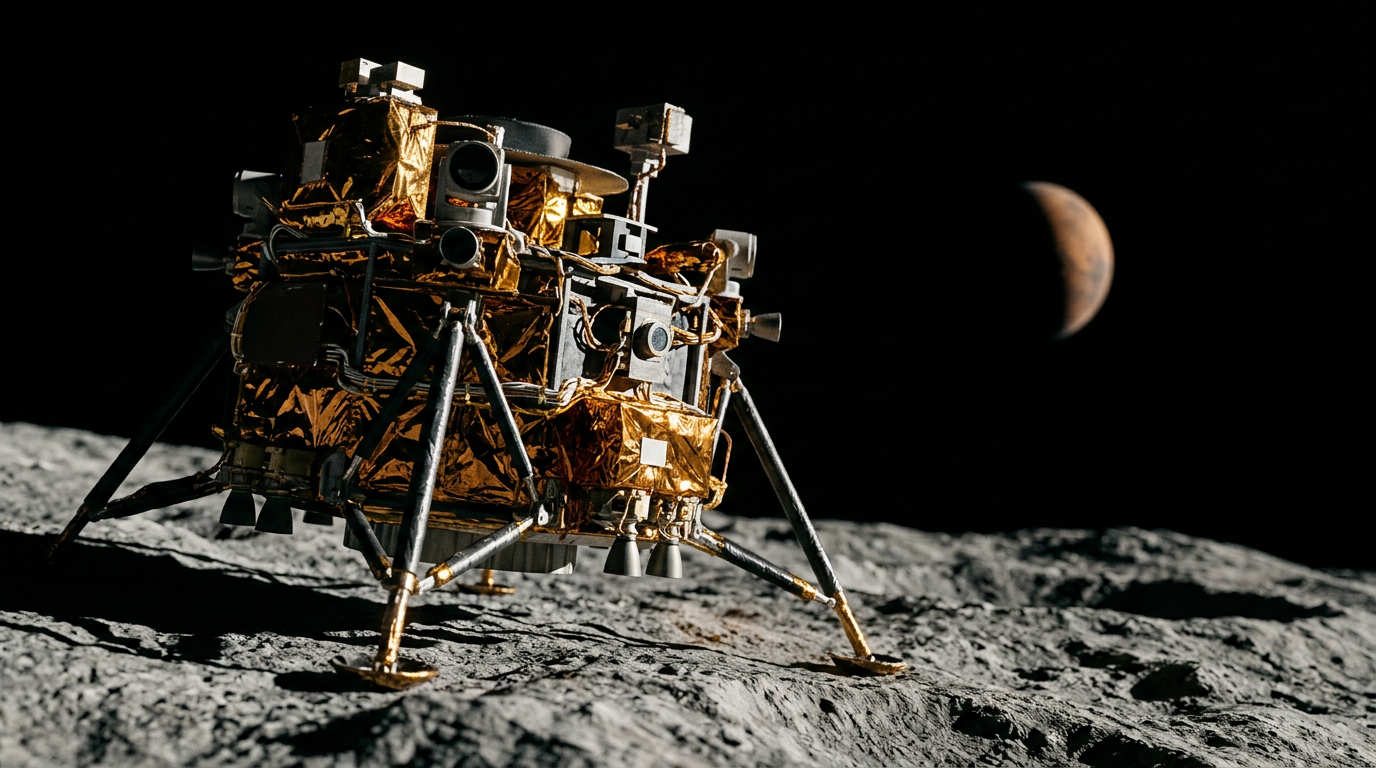
In 2026, a quiet but high-stakes conflict is unfolding — not over oil, steel, or semiconductors, but over magnets. Specifically, neodymium-iron-boron (NdFeB) permanent magnets, the tiny yet mighty components that drive electric vehicles, wind turbines, fighter jets, and smartphones. Without them, modern industry falters, and advanced defense systems lose their edge. Neodymium magnets power EVs, defense tech, and clean energy. As Trump’s tariffs escalate, discover how “Magnet Wars” are reshaping supply chains, costs, and global competition in 2026.
This “Magnet War” has erupted as U.S. tariffs on Chinese imports expand under President Trump’s economic nationalism. Neodymium magnets, of which China controls nearly 90% of global production, have become the latest frontline in a broader contest of supply chains, sovereignty, and technological power.
As tariffs tighten and export restrictions from Beijing loom, industries from Detroit automakers to the Pentagon are scrambling. Investors, policymakers, and manufacturers alike now face a crucial question: can the U.S. and its allies secure reliable access to neodymium magnets without crippling costs or compromising national security?
Why Neodymium Magnets Matter
Neodymium magnets are the strongest commercial magnets available, boasting a magnetic strength up to 10 times greater than ferrite magnets of similar size. Their properties make them irreplaceable in compact, high-efficiency applications.
- Electric Vehicles (EVs): Around 90% of EVs rely on neodymium magnets in traction motors. Tesla, Toyota, and Volkswagen all use NdFeB magnets for improved performance and range.
- Defense: U.S. fighter jets, drones, and missile guidance systems require high-temperature neodymium magnets with heavy rare earth elements like dysprosium and terbium.
- Clean Energy: Modern offshore wind turbines can each use up to 600 kg of NdFeB magnets, according to the International Energy Agency (IEA).
- Consumer Electronics: Smartphones, headphones, and laptops depend on neodymium for compact speakers and haptic feedback.
This ubiquity explains why tariffs targeting neodymium imports have far-reaching consequences — stretching from consumer electronics shelves to the front lines of U.S. defense.
Trump’s Tariff Strategy and Its Impact
In late 2025, the Trump administration announced potential tariffs as high as 200% on Chinese neodymium magnets, framing the move as necessary to “restore American independence” in critical minerals. The U.S. already imposes tariffs on many rare earth oxides, but targeting finished magnet imports marks an escalation.
The short-term effect is clear: U.S. automakers, electronics manufacturers, and defense contractors are facing steep price hikes. Industry analysts estimate that tariffs could raise magnet costs by 15–25% across supply chains. For EV producers, this translates into an additional $200–$600 per vehicle, eroding margins in an already competitive market.
China, unsurprisingly, has hinted at retaliatory measures. In September 2025, Beijing introduced new licensing rules on dysprosium and terbium exports — essential additives for heat-resistant neodymium magnets. This counterpunch underscores the vulnerability of U.S. industries dependent on Chinese supply.
Military Risks in the Magnet Wars
The Pentagon is acutely aware of this vulnerability. A 2023 Defense Department audit found that over 80% of magnets in active U.S. weapons platforms were sourced from China.
For advanced defense applications like the F-35 fighter jet, shortages could create bottlenecks. Each F-35 is estimated to require more than 400 kg of rare earth materials, much of it in magnets. Delays in magnet supply could ripple into readiness and production timelines.
To hedge against this, the Pentagon has expanded direct partnerships with U.S. magnet producers. In 2025, the DoD invested heavily in MP Materials’ magnet production facility in Texas, securing a portion of output specifically for defense needs. Still, scaling from pilot to mass production remains a multi-year challenge.
EVs and the Consumer Shock
Beyond defense, the EV sector may be the most exposed civilian industry. EV demand is expected to reach 17 million units globally in 2026, with the U.S. accounting for around 4.5 million sales. If tariffs inflate magnet costs, U.S. automakers risk falling behind Asian and European competitors who retain smoother supply lines.
Tesla, for instance, announced in 2025 that it was exploring alternative motor designs to reduce reliance on neodymium. However, alternatives like induction motors often compromise efficiency and driving range. For mass adoption of EVs, neodymium remains the gold standard.
In consumer markets, the ripple effect will be subtler but significant. Higher costs for magnets could push up prices of electronics, appliances, and renewable infrastructure.
Can the U.S. and Allies Build Alternatives?
The key to winning the Magnet Wars lies in diversification — both geographically and technologically.
Domestic Production
- MP Materials in California is expanding beyond mining to magnet production, backed by both Apple and the Pentagon.
- Energy Fuels in Utah has begun producing separated heavy rare earths and is testing dysprosium output.
Allied Sources
- Australia’s Lynas Rare Earths remains the largest non-Chinese rare earth supplier, with separation facilities in Malaysia and plans to expand in Texas.
- Brazil and Argentina are attracting investment in new rare earth projects, while South Africa and Malawi show promise in Africa.
Recycling & Substitution
- Recycling rare earth magnets from end-of-life electronics is gaining traction, though volumes still meet less than 5% of U.S. demand.
- Substitution research continues, but experts caution that no known materials yet match neodymium’s magnetic density and efficiency at scale.
While progress is real, analysts warn it will take 3–5 years before alternative supply chains significantly reduce dependence on China. That means tariffs risk short-term pain for industries without immediate relief.
The Investment Dimension
Financial markets are already reacting. MP Materials’ stock surged 51% in July 2025 after the Pentagon increased its stake and secured magnet production rights. Lynas gained nearly 12% following China’s export curbs. ETFs like VanEck’s Rare Earth/Strategic Metals ETF (REMX) have attracted fresh inflows, but their performance is tempered by heavy China exposure.
For investors, this creates both volatility and opportunity. Firms positioned to deliver non-Chinese magnet capacity may become long-term winners. But short-term swings driven by tariff announcements and trade tensions will continue to create uncertainty.
Global Geopolitics: The Magnet Divide
The Magnet Wars reflect a deeper geopolitical divide. The U.S. frames tariffs as part of a strategy to secure supply chains and reduce dependence on adversaries. China, meanwhile, sees rare earths as a strategic asset — a bargaining chip in trade wars and diplomatic negotiations.
Allied blocs like the Quad (U.S., Japan, India, Australia) are collaborating on joint rare earth projects, while the EU is rolling out its Critical Raw Materials Act to safeguard access. By 2026, the world could see a bifurcated magnet market: one dominated by China, and one built around Western-aligned supply chains, though smaller in scale.
Conclusion
The “Magnet Wars” over neodymium are not just about trade policy. They represent the collision of economics, national security, and technological competition in an era of global rivalry. Tariffs on neodymium magnets may serve as a lever for reshoring and diversification, but in the short run, they risk higher costs, supply bottlenecks, and strategic vulnerability.
For defense planners, automakers, and clean energy developers, the stakes are high. For investors, the field is fraught with risk but rich with opportunity as new players emerge and old ones are reshaped by policy.
As Mattias Knutsson, Strategic Leader in Global Procurement and Business Development, has noted, true resilience comes not from short-term protectionist measures but from long-term strategic partnerships, investment in innovation, and diversification of supply. That wisdom may well define who wins — and who loses — in the Magnet Wars of 2026.