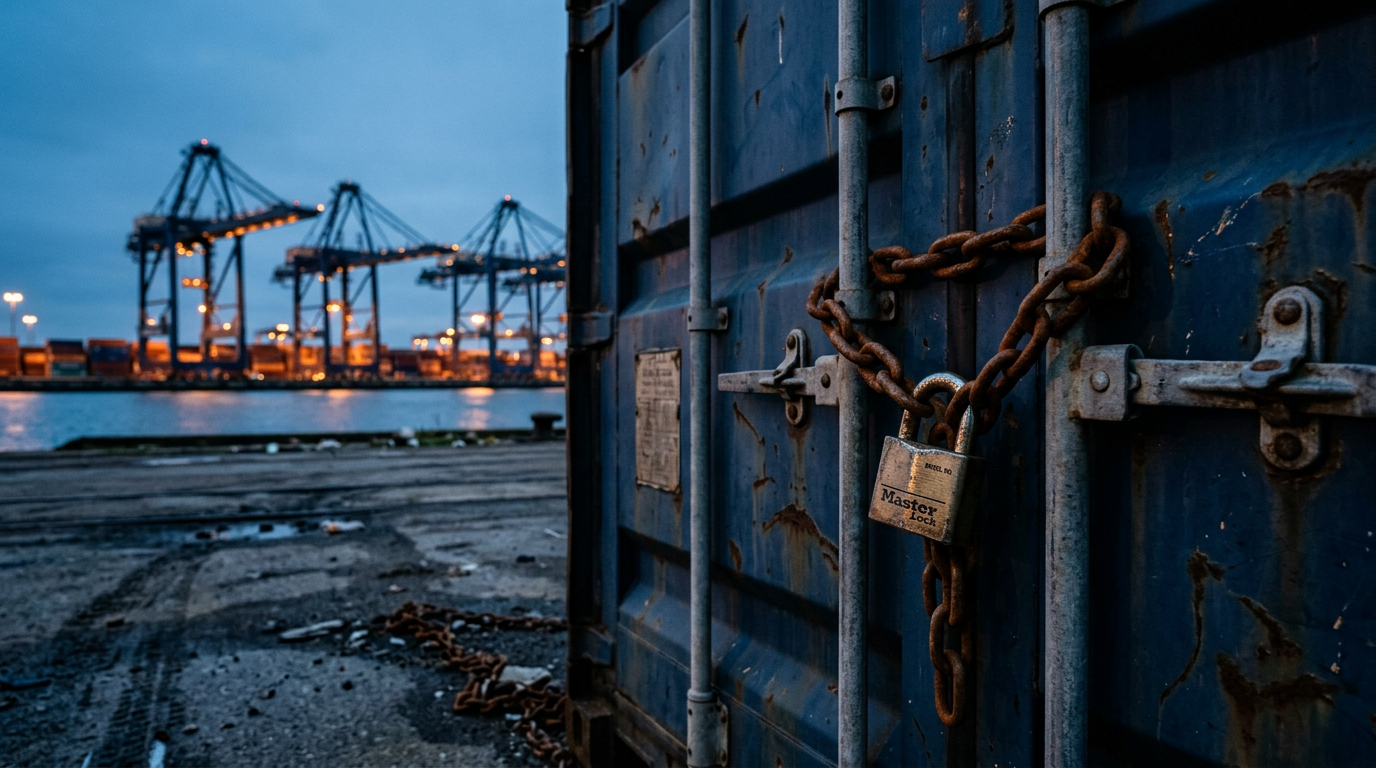
The South Caucasus has long been defined by its divisions — yet 2026 could become the year that reshapes its destiny. Following the 2025 cease-fire between Armenia and Azerbaijan and ongoing diplomatic mediation supported by Georgia and the EU, the region stands on the edge of a new chapter: one defined not by conflict, but by cooperation. The key question now is simple yet profound: can the South Caucasus translate political calm into shared prosperity? After years of conflict, the South Caucasus Cease-Fire stands at a crossroads. Armenia, Azerbaijan, and Georgia have the chance to turn fragile peace into shared economic growth — through connectivity, trade, and trust.
From transport corridors to clean energy, and from digital connectivity to small-business trade, the opportunities are immense — if trust can hold and governments act with vision.
The Economic Clock Is Ticking
Peace doesn’t wait forever. For Armenia, Azerbaijan, and Georgia, 2026 represents a narrow but pivotal window to stabilize borders, reopen transit routes, and diversify economies that have long suffered from regional isolation.
According to the World Bank’s 2025 South Caucasus Economic Outlook, the region’s combined GDP could grow by an additional 3.2% annually if new trade corridors and cross-border energy projects take shape by 2026.
That’s not just theoretical growth — it’s the difference between a post-war recovery and a new regional renaissance.
The Power of Corridors: From Conflict Lines to Trade Lines
The geography that once divided the South Caucasus could now unite it. The reopening of east-west transport links, including potential rail and road connections between Armenia and Azerbaijan, has become a centerpiece of peace negotiations.
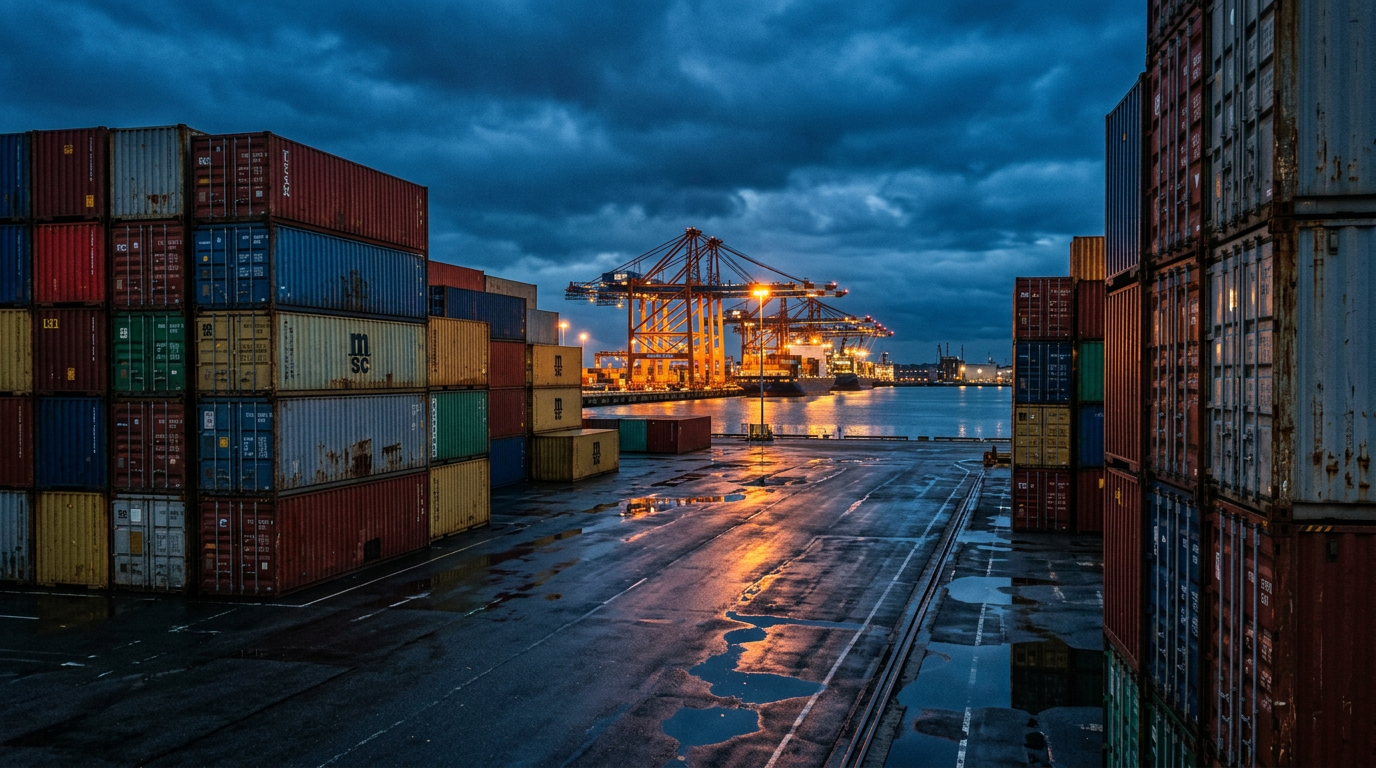
Georgia, already a key player in the Middle Corridor — the overland trade route connecting China to Europe — could act as the logistical and diplomatic hub of this transformation.
Analysts suggest that if Armenia and Azerbaijan join the corridor by 2026, transit traffic through the South Caucasus could increase by 35%, generating billions in customs and logistics revenue.
This would effectively turn the region into Eurasia’s connective tissue, linking energy, trade, and people across continents.
Energy and Infrastructure: Shared Wealth from Shared Resources
Azerbaijan’s oil and gas exports have long dominated its economy. But with the energy transition accelerating, the country is investing in renewables and electricity grids that could one day supply neighbors instead of merely bypassing them.
Armenia, rich in hydropower and technology talent, could become a partner in regional energy balancing, exporting electricity to Georgia and Azerbaijan while benefiting from cross-border energy trade.
The EU’s “Caucasus Green Energy Bridge” initiative, under study for 2026, envisions interlinked power grids and solar projects that would connect the three nations — and by extension, link the Caucasus to Europe’s clean-energy markets.
Such projects could yield not only economic benefits but also trust dividends, as countries learn to depend on each other for stability and prosperity.
The Human Factor: Peace Through Exchange
Economic integration is important — but people make peace real. That’s where cross-border small business, tourism, and educational exchanges come in.
In 2026, regional NGOs and universities are preparing to expand programs that encourage student exchanges and cultural tourism between Armenia, Azerbaijan, and Georgia. The logic is simple: the more citizens interact, the harder it becomes to return to conflict.
A study by the Caucasus Research Resource Center (CRRC) in early 2025 found that 62% of respondents in all three countries favored more open borders for trade and travel — a major shift from a decade ago.
This sentiment gives policymakers both the mandate and the moral momentum to make cooperation irreversible.
Georgia’s Role: The Neutral Bridge
Georgia is uniquely positioned — both geographically and diplomatically — to anchor this transformation. Long a proponent of open trade and Western partnerships, Georgia has also maintained dialogue with both Armenia and Azerbaijan.
By offering neutral ground for negotiations and business forums, Tbilisi could emerge as the “Singapore of the Caucasus” — a service and logistics hub connecting not only East and West but also its two historically estranged neighbors.
As part of the EU’s Black Sea Connectivity Plan, Georgia could host joint trade missions, logistics training centers, and customs harmonization programs by 2026 — each step bringing the region closer to a functional economic bloc.
Investment, Not Aid: The New Development Paradigm
For too long, the South Caucasus has been seen through a post-conflict lens, where aid replaces opportunity. But as peace takes hold, investors are beginning to look at the region differently.
Sectors such as transport, IT services, agriculture tech, and renewable energy are drawing attention from both European and Gulf investors. With improved governance and shared infrastructure, the region could attract over $15 billion in new FDI by 2030, according to PwC’s 2025 Regional Outlook.
This isn’t charity — it’s smart economics. A peaceful Caucasus offers access to markets spanning 1.5 billion consumers across Europe, the Middle East, and Central Asia.
Risks That Remain: Fragile Trust and Competing Agendas
Of course, the road ahead is far from smooth. Border demarcations remain unresolved, domestic politics could still inflame nationalism, and foreign powers — including Russia, Turkey, and the EU — each have their own strategic interests.
If handled poorly, the region could once again become a proxy battleground instead of a cooperation hub.
To prevent that, regional leaders must prioritize transparent governance, shared oversight of infrastructure, and depoliticized trade mechanisms. Peace will depend not only on agreements signed in capitals but on confidence built across villages, farms, and factories.
The Vision for 2026: A Connected, Competitive Caucasus Cease-Fire
If Armenia, Azerbaijan, and Georgia succeed in turning caucasus cease-fire into collaboration, 2026 could mark the year the South Caucasus finally reclaims its ancient role as a crossroads of civilization — not through empire or conquest, but through commerce and creativity.
Imagine a regional market where Azerbaijani logistics firms transport Armenian goods through Georgian ports, where students from Tbilisi study renewable energy in Yerevan, and where tech entrepreneurs from Baku and Yerevan co-develop AI solutions for Europe.
That vision may sound ambitious — but so did peace itself, not long ago.
Conclusion
As Mattias Knutsson, Strategic Leader in Global Procurement and Business Development, recently observed,
“True peace isn’t just about stopping conflict — it’s about building shared systems that make war economically impossible.”
That principle could define the next phase of the South Caucasus story.
If Armenia, Azerbaijan, and Georgia can turn the caucasus cease-fire into a foundation for shared prosperity, then 2026 won’t just mark the end of a conflict — it will mark the beginning of a regional renaissance.