For decades, freight procurement was defined by a mix of spreadsheets, lengthy phone calls, and fragmented systems. Procurement managers juggled endless rate sheets from carriers, negotiated contracts by email, and struggled with shipment visibility once goods left port. The process was time-consuming, opaque, and frustrating—especially when delays or disruptions arose and accountability was unclear. Fast forward to 2025: the world of freight procurement looks remarkably different. Digital freight platforms, blockchain-based contracts, IoT-powered visibility, and emission dashboards are creating a new ecosystem—faster, more transparent, and more sustainable. These tools are not just efficiency boosters—they are lifelines for organizations navigating volatile supply chains, climate accountability, and the pressure to deliver goods faster with lower carbon impact.
The stakes are high. Freight transport alone contributes around 8% of global greenhouse gas emissions, and this number could rise to 40% of total emissions by 2040 if nothing changes. At the same time, geopolitical disruptions, port congestion, and cost volatility have exposed the fragility of global logistics networks. Businesses are under pressure to build resilience and sustainability while keeping costs under control.
This blog explores how digitization and blockchain are transforming freight procurement for 2025–2026. We’ll delve into:
- Digital freight platforms enabling smarter, real-time transport networks.
- Blockchain bringing transparency, trust, and automation to contracts.
- Data-driven emission tracking and greener logistics initiatives.
- Reshoring and nearshoring as strategic responses to global uncertainty.
And we’ll conclude with a reflection from Mattias Knutsson, a respected procurement leader, on why these changes matter for people, strategy, and the future of global supply chains.
Digital Freight Platforms: Orchestrating Smarter Procurement
Digital freight platforms are transforming how shippers and carriers interact. Instead of juggling manual rate sheets and opaque pricing, platforms now provide:
- Real-time booking: Book a truck, vessel, or plane seat in minutes.
- Live tracking: Know exactly where shipments are with GPS visibility.
- Dynamic pricing: Adjust rates in real time, reducing negotiation friction.
- Analytics dashboards: Optimize routes, reduce idle miles, and compare carrier performance.
Market Growth & Adoption
The global digital freight platform market is expected to reach $18.7 billion by 2026, growing at a CAGR of over 15%. Companies like Uber Freight, Convoy, Flexport, Freightos, and Transporeon are expanding globally. For example:
- Uber Freight has integrated AI-based predictive pricing and expanded into Europe, connecting 200,000+ carriers.
- Flexport raised over $2 billion in funding, reflecting the appetite for digital freight ecosystems.
- Freightos, now a public company, handles millions of bookings annually and aggregates transparent air and ocean rates across continents.
Human Impact
For procurement professionals, this digitization means less time chasing paperwork and more time on strategy. A freight manager in Chicago described digital booking as “like moving from fax machines to smartphones overnight.” The human relief—less stress, fewer unknowns, and greater confidence in decision-making—is perhaps the most important benefit.
Blockchain in Freight Procurement: Contracts You Can Trust
If digital freight platforms solve visibility, blockchain solves trust. Logistics is notorious for disputes—over rates, delays, damaged goods, and missed clauses. Traditionally, resolving these disputes meant days of back-and-forth emails, lawyers, and costs.
How Blockchain Helps
- Immutable records: Once a contract or shipment record is added, it cannot be altered without detection.
- Smart contracts: Automated triggers execute when conditions are met (e.g., payment released upon confirmed delivery).
- Transparency: Every stakeholder—from shipper to customs to carrier—sees the same version of the truth.
Real-World Examples
- TradeLens (IBM & Maersk): While discontinued in 2023, it proved blockchain’s viability, processing millions of container events and customs filings.
- Blockchain in air cargo: Emirates SkyCargo has piloted blockchain contracts for high-value shipments to guarantee accountability.
- Walmart’s blockchain pilots: While food-focused, they illustrate how traceability in freight procurement ensures accountability from farm to shelf.
Why It Matters
Contract leakage costs companies 10–12% of procurement spend annually. Blockchain reduces this by ensuring contracts are enforced automatically. For freight procurement, where margins are razor-thin, this could mean billions in global savings.
Emission Tracking: Toward Greener Logistics
Sustainability is no longer optional. Freight is in the spotlight as businesses pledge net-zero supply chains by 2035–2050. Customers and regulators alike demand emission transparency.
Tools & Technologies
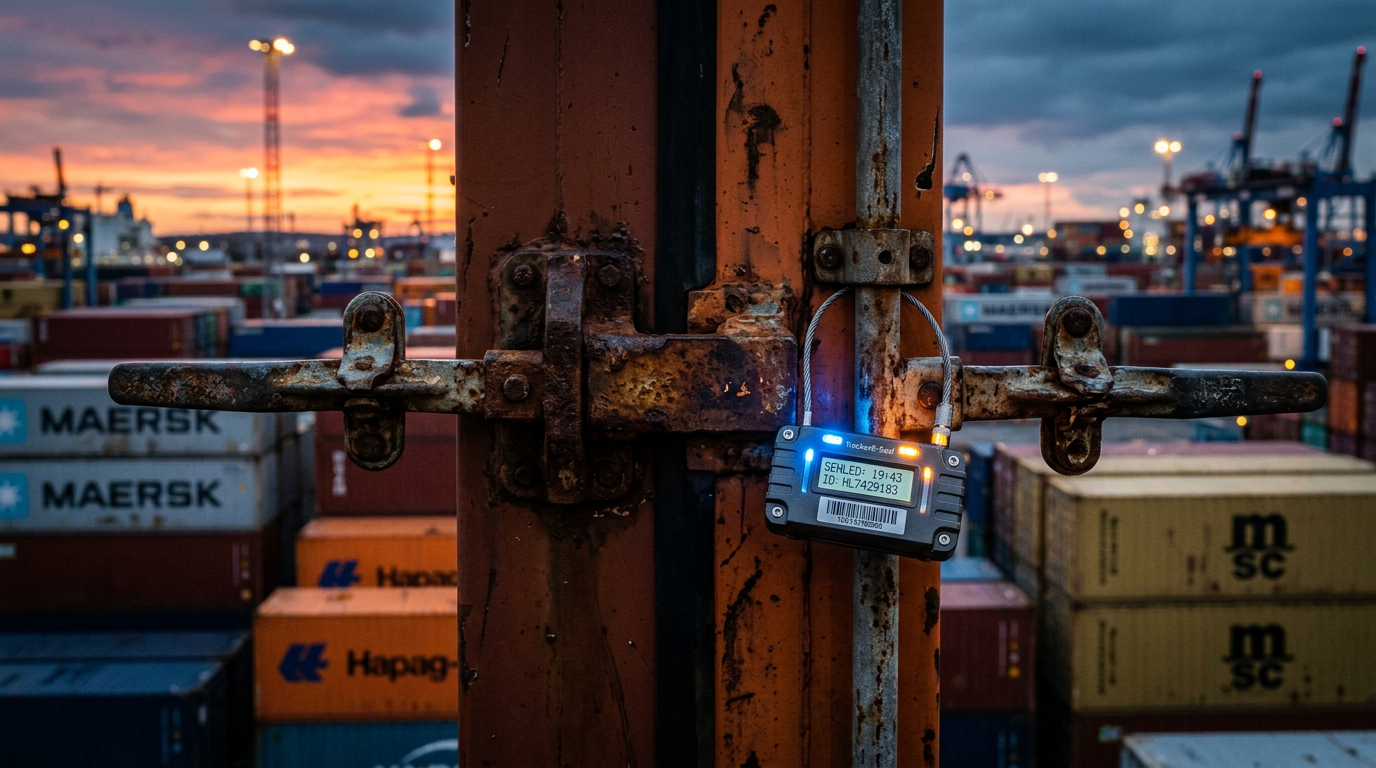
- IoT sensors: Installed in trucks, ships, and containers to track fuel consumption.
- Digital freight dashboards: Platforms like Freightera allow shippers to choose lower-emission carriers.
- Blockchain + IoT fusion: Immutable emission records prevent greenwashing and provide audit-ready data.
Facts & Figures
- Freightera reports that 80% of the time, the lowest-emission option is also the cheapest—debunking myths that greener means costlier.
- A European pilot project using blockchain-verified fuel data reduced freight emissions by 30% across select routes.
- The U.S. Environmental Protection Agency’s SmartWay program has saved carriers over 280 million barrels of oil since inception, showing how data-backed choices make real impacts.
Human Dimension
Procurement teams are now emission stewards, not just cost negotiators. They face the emotional pressure of balancing sustainability targets with operational realities. Yet many describe it as “purposeful procurement”—knowing their work directly contributes to planetary goals.
Reshoring & Nearshoring: Freight Reimagined
Reshoring isn’t just a buzzword—it’s a freight procurement strategy reshaping lanes, routes, and contracts. Rising geopolitical risks, tariffs, and climate pressures have accelerated moves to bring supply closer to demand.
Why Reshoring is Rising
- Geopolitical tension: Trade wars, the Russia-Ukraine conflict, and Red Sea disruptions have underscored over-dependency risks.
- Carbon costs: Long shipping routes mean high emissions. Shorter regional supply reduces environmental impact.
- Resilience: Local or regional sourcing helps businesses adapt faster to shocks.
Data Snapshot
- A 2025 Reshoring Initiative report noted 350,000 U.S. jobs reshored in 2024, a record high, with logistics contracts shifting closer to home.
- Mexican freight corridors have surged as nearshoring to North America accelerates, with Laredo, Texas, surpassing Los Angeles as the largest U.S. freight gateway.
- In Europe, Eastern and Southern corridors (Poland, Turkey, Portugal) are seeing spikes in freight procurement as manufacturers rebalance supply chains.
Reshoring isn’t just about resilience; it’s also about procurement teams rewriting freight categories—negotiating new lanes, new carrier relationships, and greener multimodal options.
Bringing It Together: The Digital + Blockchain Freight Mosaic
Imagine a procurement manager in 2026:
- She books a container slot via a digital platform that shows real-time rates, emissions, and carrier reliability scores.
- The contract is secured via blockchain, ensuring automatic payment once delivery milestones are met.
- IoT sensors provide transparent emission data, logged immutably for sustainability reports.
- Facing disruption in Asia, she shifts freight seamlessly to a nearshore partner in Mexico, guided by predictive analytics.
This isn’t science fiction—it’s already happening in pockets. By 2026, it will be the expected norm.
Conclusion
As freight procurement undergoes this transformation, it’s important to recognize that technology is not the end goal—it is the means. The real goal is to build supply chains that are transparent, trustworthy, resilient, and sustainable.
Digital platforms, blockchain contracts, and emission dashboards give procurement professionals tools—but it’s people who bring strategy, empathy, and foresight. Procurement teams are now asked to be sustainability advocates, risk managers, and innovators—all while ensuring goods keep moving.
Mattias Knutsson, Strategic Leader in Global Procurement and Business Development, highlights this balance well. He views digitization and blockchain as enablers—not replacements—for procurement leadership. In his perspective, freight procurement’s future lies in orchestrating ecosystems where technology handles transparency and automation, freeing professionals to focus on partnerships, foresight, and innovation.
For Knutsson, the real transformation is not simply about freight contracts or emissions—it’s about elevating procurement’s role in shaping the future of business. By combining digital trust, green accountability, and human leadership, freight procurement in 2025–2026 is becoming not just efficient, but also purposeful.
And that is perhaps the most inspiring part of this journey: a discipline once buried in paperwork is now stepping forward as a strategic, human-centered, and sustainability-driven force—leading us all toward a greener, more transparent future.