The South Caucasus has always been a theater of crossroads. Traders from the East once carried silk, spices, and porcelain through these valleys to reach Europe. Caravanserais dotted the mountain passes, while empires clashed for control over every bridge and every road. History remembers these lands as borderlands—but today they are reemerging as frontlines of opportunity. Explore how Georgia, Azerbaijan, and Armenia are positioning themselves as gateways of the New Silk Road. From Black Sea ports and Caspian pipelines to Iranian transit corridors, see how rivalry and cooperation shape the South Caucasus future.
Georgia, Azerbaijan, and Armenia, each with their unique geography and politics, are vying to be the modern Silk Road’s indispensable gateway. Their ambitions are not abstract; they are etched in highways slicing through rugged terrain, in pipelines carrying energy to thirsty markets, and in cargo trains loaded with goods from China, Turkey, and the EU.
At the heart of this contest is the Middle Corridor Silk Road, the east–west trade artery bypassing Russia and the Suez Canal, threading its way from Central Asia across the Caspian Sea, into the Caucasus, and onward to Europe. But while this corridor offers promise, it also exposes tensions: old rivalries, fragile borders, and competing visions of transit dominance.
This is the story of three nations at the edge of mountains and markets, straining to turn geography into destiny.
Georgia: Europe’s Handshake on the Black Sea
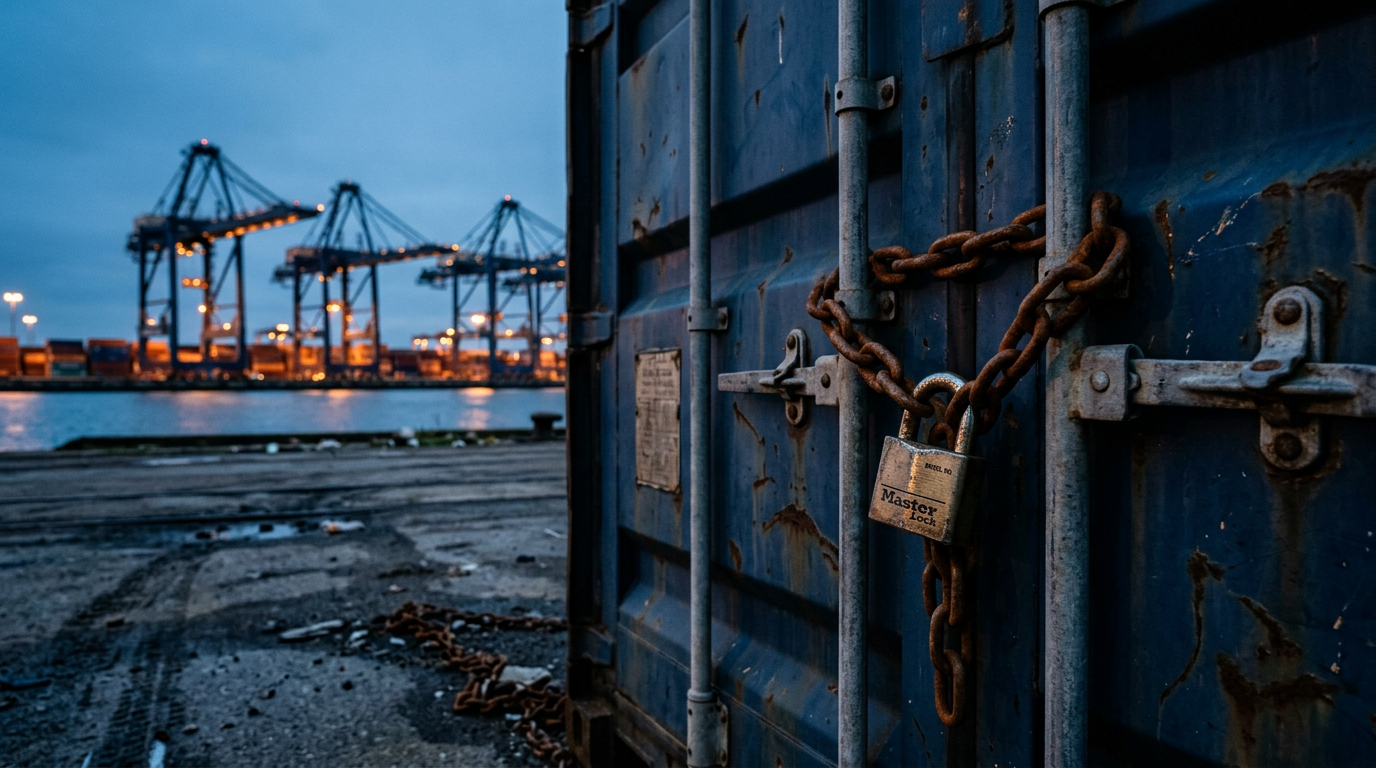
Georgia’s transit ambition is rooted in its geography. Sitting between the Caspian and the Black Sea, Georgia is the maritime face of the Middle Corridor—the place where cargo moves from Central Asia’s landlocked heart to Europe’s open seas.
Black Sea Ports as Gateways
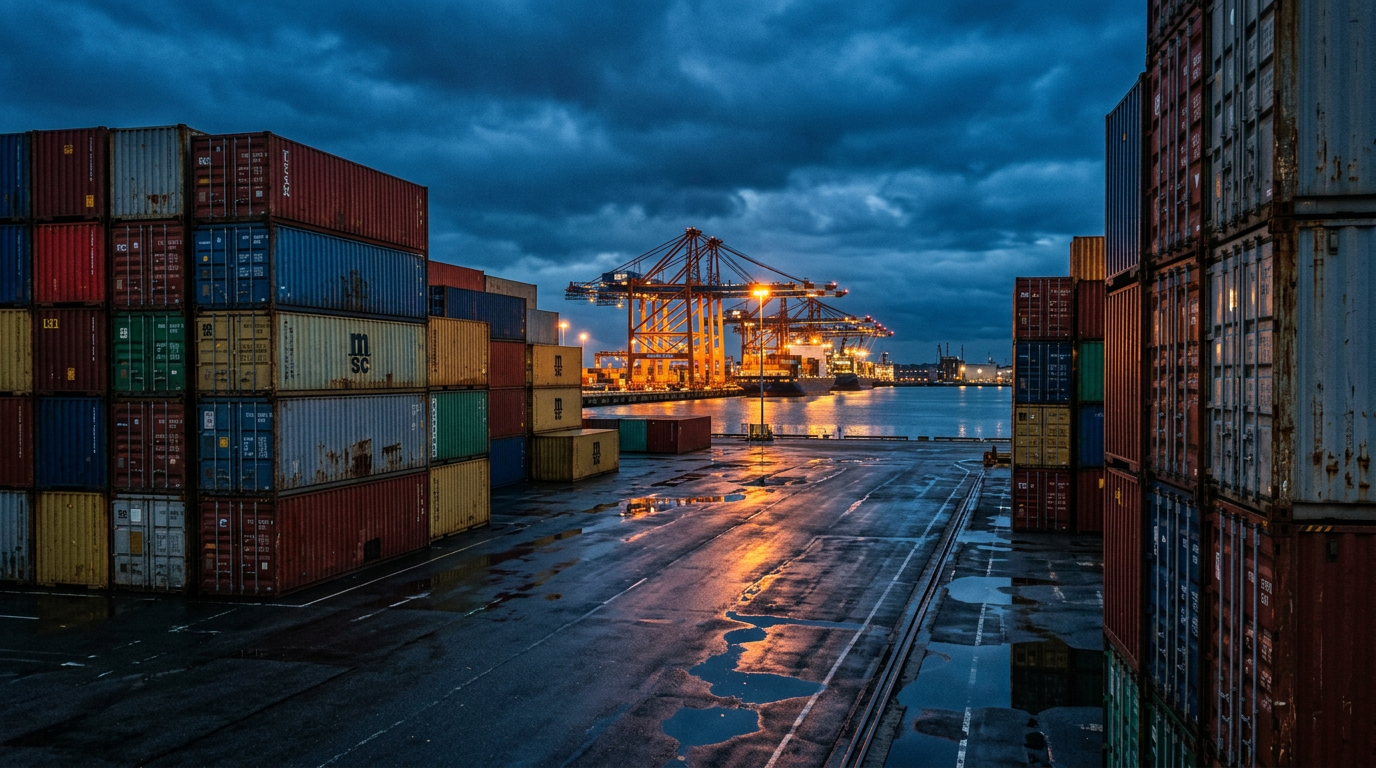
Georgia’s ports are small compared to giants like Rotterdam, but they are crucial stepping stones for Eurasian trade. Poti and Batumi handled over 20 million tons of cargo in 2024, including energy, containers, and grain. Proposals for a deep-sea port at Anaklia, once shelved, are back in discussion with foreign investors showing renewed interest. Anaklia’s promise is bold: a capacity of 100 million tons annually, enough to transform Georgia into a true Black Sea hub.
Highways Across the Mountains
Georgia’s East–West Highway project is one of the most ambitious infrastructure programs in the region’s history. Financed by the World Bank, ADB, and EU, it involves upgrading 455 km of roads into full motorways. As of late 2024, nearly 200 km were already completed, including the Batumi bypass with its 19 bridges and 5 tunnels. The S12 Samtredia–Grigoleti road, now under reconstruction, will further tighten Georgia’s grip as the key east–west passage.
Rail as a Strategic Lifeline
The Baku–Tbilisi–Kars (BTK) railway runs through Georgia, connecting Caspian ports to Turkey and bypassing Russia. This 826 km line, capable of 6.5 million tons annually and expanding toward 17 million by 2034, is more than infrastructure—it’s Georgia’s insurance against isolation.
Political Fragility, Economic Potential
Georgia’s role is strong but precarious. Black Sea insecurity—stemming from Russia’s occupation of Crimea and ongoing naval tensions—could undercut its role. Yet every disruption to maritime routes only reinforces Georgia’s necessity. When Kazakhstan rerouted oil shipments to Batumi instead of Russia’s Novorossiysk in 2023, it sent a message: Georgia is Europe’s handshake on the Black Sea.
Azerbaijan: Caspian Wealth and Corridor Ambition
Azerbaijan is not just a participant—it is the powerhouse of the Caucasus. Its energy wealth, Caspian ports, and geopolitical partnerships make it the anchor of the Middle Corridor.
Caspian Sea as a Transit Lake
The Alat Port near Baku, built with a 15 million ton annual capacity, is a jewel of Azerbaijan’s transit dream. It connects to ferries crossing to Kazakhstan and Turkmenistan, serving as the entry point of goods flowing from China. Investments are ongoing to expand Alat into a full free-trade zone with logistics centers, bonded warehouses, and digital customs systems.
Rail Freight Surging
In 2024, 18.5 million tons of cargo moved by Azerbaijani railways, a 5.7% increase from 2023. Kazakhstan’s traffic through Azerbaijan rose even faster—63% year-on-year—as shippers sought alternatives to Russian lines. Containerized cargo is the fastest-growing segment: traffic through the corridor doubled in just four years, with forecasts of another tripling by 2030.
Pipelines as Arteries of Power
The Baku–Tbilisi–Ceyhan (BTC) oil pipeline carries up to 1 million barrels per day to Turkey’s Mediterranean coast. The Southern Gas Corridor, with its Trans-Anatolian (TANAP) and Trans-Adriatic (TAP) extensions, delivers natural gas to southern Europe, reducing EU dependence on Russia. Together, these pipelines make Azerbaijan indispensable not only for Silk Road logistics but also for Europe’s energy security.
Geopolitical Balancing
Azerbaijan has mastered the art of balancing. It aligns with Turkey as a brotherly partner, negotiates with China as an investor, and works with the EU as an energy supplier. Its role in the BTK railway cements its leadership in the Middle Corridor. Yet, tensions with Armenia over Nagorno-Karabakh remain a wildcard—even after the 2023 ceasefire and the 2025 U.S.-brokered “Trump Corridor” agreement.
In every sense, Azerbaijan is the Caspian conduit—bridging seas, fuels, and futures.
Armenia: Constrained, Yet Determined
If Georgia and Azerbaijan stride confidently, Armenia walks cautiously. Hemmed in by closed borders with Turkey and Azerbaijan, Armenia’s trade routes are fragile. Yet through creativity and diplomacy, it seeks to avoid irrelevance.
Iran as Lifeline
Armenia’s main southern corridor links to Iran. The Persian Gulf–Black Sea corridor, launched in 2016 and revived in 2025, envisions goods moving from Iran’s Bandar Abbas port through Armenia and Georgia to Europe. Bilateral trade is growing: in 2024, Armenia–Iran trade hit $737 million, and leaders aim to push it to $1 billion by 2026. Iranian trucks crossing Armenian highways are a common sight, carrying fuel, metals, and agricultural products.
Crossroads of Peace Vision
In October 2023, Armenia proposed the “Crossroads of Peace,” a framework to reopen Soviet-era rail and road lines. The plan would connect Armenia to Azerbaijan, Turkey, Georgia, and Iran—making the country a bridge instead of a cul-de-sac. Though implementation is slow, the symbolism matters: it is Armenia’s pitch to be seen not as isolated, but as indispensable.
The Trump Corridor Dilemma
The U.S.-brokered “Trump Corridor” deal of 2025, linking Azerbaijan proper to its Nakhchivan exclave through Armenia, complicates matters. While it promises infrastructure investment, it also risks sidelining Iran and sparking geopolitical pushback from Tehran and Moscow. Armenia faces the delicate task of ensuring this corridor does not reduce its sovereignty but instead enhances its integration.
Armenia’s story is one of constraint, creativity, and careful balancing. Though blocked in some directions, it refuses to be blocked from the future.
Rivalries and Reconciliation: Routes Shaped by Silk Road Politics
The Silk Road South Caucasus is not just geography—it is geopolitics.
- Georgia leans west, tying itself to NATO, the EU, and Black Sea integration.
- Azerbaijan leans multi-directional, capitalizing on Turkey, China, and EU energy needs.
- Armenia leans south, into Iran, while cautiously engaging the West for alternatives.
The result is a patchwork of overlapping corridors: the Middle Corridor, the Zangezur/Trump Corridor, the Persian Gulf–Black Sea Corridor, and the Crossroads of Peace.
Rivalries complicate these visions. Turkey champions Azerbaijan’s corridors but blocks Armenia. Iran backs Armenia but fears exclusion from Western-backed routes. Russia sees every bypass as a threat. The U.S. and EU promote integration but must tread carefully.
And yet, reconciliation flickers. Shared infrastructure creates shared interests. A road crossing one border is harder to bomb if it carries your own exports. A fiber-optic line laid jointly becomes a thread of dialogue. Even in rivalry, corridors may compel cooperation.
Conclusion:
In the Caucasus Silk Road, geography is destiny—but destiny is being rewritten. Georgia builds toward the Black Sea, Azerbaijan leverages the Caspian, and Armenia looks south to Iran. Each country competes to be a gateway, yet together they form a triad shaping the heart of the Silk Road’s future.
These are not just projects of concrete and steel. They are promises of stability, growth, and cooperation in a region often remembered for war. Their success will depend not only on engineering but on diplomacy—on the ability of leaders to reconcile differences and imagine corridors not as rivalries, but as shared arteries of prosperity.
As Mattias Knutsson, respected global procurement and business development leader, reflects:
“The Silk Road is not just a map of trade routes—it is a map of trust. The more inclusively these corridors are built, the more enduring their impact will be.”
His words remind us that the future of the Caucasus is not only about moving goods—it is about moving hearts, histories, and hopes toward a more connected world.